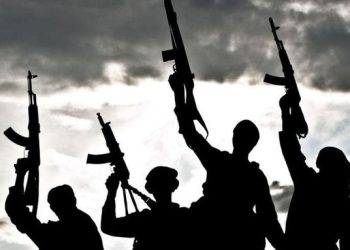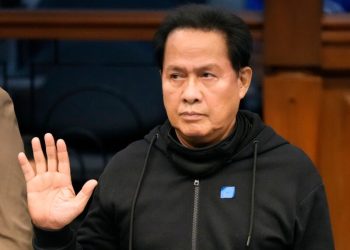
Nigeria’s military says security has “improved significantly” across the South-East, attributing the gains to intensified operations and the imprisonment or detention of key separatist figures, including Mazi Nnamdi Kanu and Simon Ekpa.
Major General Michael Onoja, speaking on recent developments in the region, said troops have sustained pressure on armed groups and criminal gangs operating under separatist cover in the five South-Eastern states. According to him, this has led to a marked drop in violent attacks, ambushes and checkpoint assaults over the past year.
“Crimes and other criminal activities have significantly decreased during the year following troops’ intensified operations across the South-Eastern states, as well as the recent court rulings against their leader, Simon Ekpa, who was jailed by the Government of the Republic of Finland, and Mazi Nnamdi Kanu,” Onoja said.
He claimed that the imprisonment of Ekpa abroad, alongside the continued detention of IPOB leader Nnamdi Kanu in Abuja, has severely weakened the organisational capacity of extremist elements in the region. These developments, he said, have “substantially degraded the group’s capabilities,” disrupting their chain of command and ability to coordinate attacks.
Onoja noted that, at the height of the crisis, the militants frequently targeted lightly manned checkpoints and security outposts, killing personnel and carting away weapons which were then redeployed in further raids on communities and security formations.
“With sustained operations, we have denied them freedom of movement, dismantled several of their camps and reduced their access to arms. Our troops are better positioned, and we are working closely with other security agencies and community stakeholders to prevent a resurgence,” he added.
The military maintained that clearance operations, intelligence-led raids and increased patrols will continue across the South-East to consolidate recent gains. Authorities say the objective is not only to curb separatist-linked violence but also to tackle kidnapping, armed robbery and other criminal activities that have thrived under the cover of insecurity.
While the military paints an optimistic picture, rights advocates and community leaders have repeatedly urged security forces to pair robust operations with strict adherence to human rights and deeper engagement with local communities, warning that heavy-handed tactics risk fueling further grievances.
Onoja, however, insisted that the armed forces remain committed to protecting lives and property while respecting the law, and urged residents to support security agencies by sharing timely information on suspicious movements and criminal elements seeking to regroup in the region.