The World Health Organization has declared the Ebola outbreak in the Democratic Republic of Congo and Uganda a Public Health Emergency of International Concern, warning that the true scale of the outbreak may be larger than currently detected.
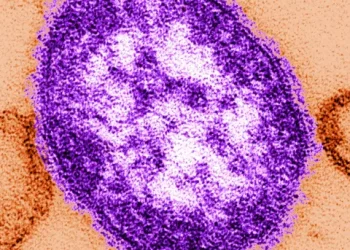
The outbreak is caused by the Bundibugyo strain of Ebola, a rare form of the virus for which there is currently no approved vaccine or specific treatment. WHO said the situation is serious but does not meet the criteria for a “pandemic emergency,” the highest alert category introduced under updated international health rules.
As of May 16, WHO reported eight laboratory-confirmed cases, 246 suspected cases and 80 suspected deaths in Ituri province in eastern DR Congo. Africa CDC and other health authorities have reported higher preliminary figures, including 88 deaths and 336 suspected cases, reflecting the uncertainty around surveillance and reporting in affected areas.
The outbreak is concentrated in Ituri, particularly in the Bunia, Rwampara and Mongbwalu health zones. The province borders Uganda and South Sudan and has high daily movement linked to mining, trade and displacement, raising the risk of further regional spread. WHO said confirmed cases in both Uganda and Kinshasa, along with a high positivity rate among early samples, suggest the outbreak could be significantly larger than official figures show.
DR Congo’s Health Minister Samuel-Roger Kamba warned that the Bundibugyo strain can have a fatality rate of up to 50 percent and urged people with symptoms to seek care early. Symptoms can include fever, vomiting, diarrhoea, bleeding and organ failure.
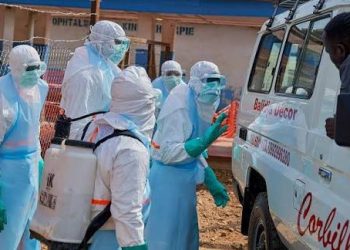
Medical charity Doctors Without Borders said it is preparing a large-scale response in Ituri, describing the speed of spread as “extremely concerning.” MSF said the Bundibugyo strain has previously caused outbreaks in Uganda in 2007-2008 and in DR Congo in 2012.
The outbreak is DR Congo’s latest Ebola crisis since the virus was first identified there in 1976. The country’s deadliest outbreak, from 2018 to 2020, killed nearly 2,300 people in eastern Congo.
WHO has urged neighbouring countries to activate emergency-response systems, strengthen border and road screenings, improve surveillance and prepare isolation and treatment capacity. Health officials now face the challenge of containing the outbreak in a region already affected by insecurity, population movement and limited access to healthcare.