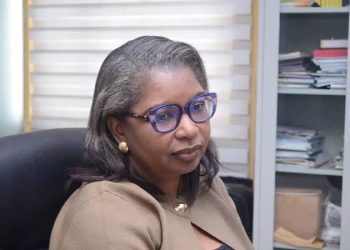
The Executive Director of the United Nations Children’s Fund (UNICEF), Catherine Russell, has called for stronger action to protect children in Nigeria as insecurity, displacement and humanitarian emergencies continue to threaten their wellbeing.
Speaking during her visit to Maiduguri, Borno State, Russell said millions of children remain exposed to violence, malnutrition, disease and limited access to essential services, urging sustained support from government and development partners.
During her visit to communities affected by conflict in the North-East, the UNICEF chief met with displaced families, humanitarian workers and state officials to assess ongoing intervention programmes.
She noted that although humanitarian agencies and government institutions have made progress in expanding access to education, healthcare and nutrition, the scale of the crisis means many vulnerable children still require urgent assistance.
“Every child deserves to grow up safe, healthy and protected.”
“We must not allow conflict and humanitarian crises to rob children of their future.”
Russell also highlighted the importance of investing in child protection systems, education and healthcare to help children recover from the effects of prolonged insecurity.
She stressed that protecting children requires coordinated efforts involving governments, humanitarian organisations, local communities and international partners to ensure that basic services reach those most in need.
UNICEF said the humanitarian situation in north-eastern Nigeria continues to place enormous pressure on families, particularly those displaced by years of armed conflict. The agency warned that food insecurity, disease outbreaks and climate-related shocks are worsening conditions for children, especially in communities where access to healthcare, clean water and education remains limited.
The UNICEF Executive Director commended the efforts of humanitarian workers and the Nigerian authorities for supporting affected communities despite difficult operating conditions.
She, however, emphasised that additional resources would be needed to sustain lifesaving interventions, improve child welfare and expand programmes aimed at helping children return to school and receive adequate nutrition.
Russell’s visit forms part of UNICEF’s broader engagement with Nigerian authorities and humanitarian partners to strengthen child protection and accelerate support for communities affected by conflict.
The agency reaffirmed its commitment to working with the Federal Government and other stakeholders to ensure that every Nigerian child has access to safety, education, healthcare and opportunities for a better future.