Lagos residents who have yet to enrol in a health insurance scheme have been urged to do so before December 31, 2026, as the state government prepares to enforce its compulsory health coverage policy from January next year.
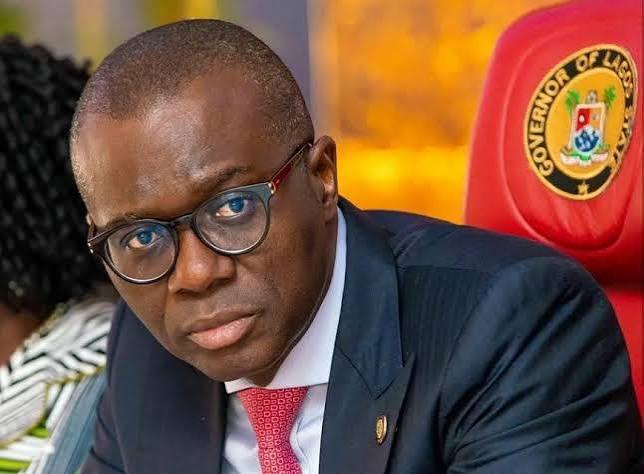
Governor Babajide Sanwo-Olu announced the decision on Tuesday, October 27, during the unveiling of the Lagos Private Health Plan partnership at the Lagos Continental Hotel in Victoria Island.
The governor said residents, employees and business owners had until the end of December to obtain suitable health insurance coverage before wider enforcement begins on January 1, 2027.
The directive builds on an executive order signed on July 16, 2024, which made social health insurance compulsory across Lagos State.
Sanwo-Olu explained that the remaining months would allow people to register before the government begins broader compliance checks.
He said the initiative was designed to reduce the financial pressure on families who struggle to settle medical bills whenever illness occurs.
Under the newly launched arrangement, private health insurance providers will offer additional coverage options, especially for employees and organisations seeking healthcare plans for their workers.
The programme will complement Ilera Eko, the existing state-backed scheme serving residents, including vulnerable groups and people in the informal economy.
Twenty-one Health Maintenance Organisations have been enlisted to participate in the private health plan.
Sanwo-Olu called on employers to ensure their workers have access to health insurance, describing employee healthcare as an important workplace responsibility.
He also reminded hospitals and other healthcare providers that patients requiring emergency attention should receive immediate treatment before questions about payment are resolved.
Speaking at the event, Commissioner for Health, Professor Akin Abayomi, expressed concern about the rising cost of medical services.
He explained that paying directly for healthcare could leave families facing serious financial difficulties, particularly when treatment involves major illnesses or emergencies.
Abayomi said the government wanted to expand insurance enrolment from about two million people to at least 10 million residents.
To support implementation, Lagos has constituted a steering committee and an enforcement task force responsible for coordinating the policy.
Chairman of the Lagos State Health Management Agency, Dr Adebayo Adedewe, also disclosed that the Health Equity Fund had increased from ₦1 billion to ₦3 billion.
He said the additional resources would help provide insurance coverage for more than 500,000 vulnerable residents.
The agency is also engaging market associations, transport unions, traditional institutions and community groups to encourage registration.
Sanwo-Olu assured participating insurers that the government would monitor their operations, including claims processing and payments to healthcare providers.
Residents and employers are expected to complete enrolment through the state scheme or accredited insurance organisations before the deadline.
The government maintains that compulsory coverage will help more Lagos residents obtain medical care without facing the full cost of treatment themselves.