ABUJA, NIGERIA — The Nigeria Centre for Disease Control and Prevention (NCDC) has approved a weekly allowance of ₦100,000 for individuals placed in quarantine following possible exposure to the country’s confirmed Ebola patient, as authorities intensify efforts to prevent further infections.
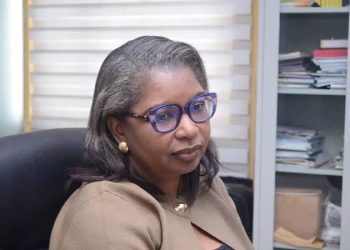
NCDC Director-General Dr Jide Idris announced the emergency financial assistance during a press briefing in Abuja on Sunday, October 25, explaining that the decision was intended to reduce the economic hardship faced by individuals required to remain in isolation. According to Idris, some contacts complained that quarantine restrictions prevented them from operating their businesses, earning income and meeting family responsibilities.
The agency was already providing accommodation and meals for those staying in designated facilities but introduced additional financial support following requests from affected individuals. Idris explained that the allowance was an emergency intervention that had not been included in the agency’s original budget. He added that the arrangement would remain under review as the public health response progressed.
Meanwhile, the NCDC confirmed that the number of primary contacts linked to Nigeria’s Ebola patient had increased from 44 to 53. Of the identified contacts, 44 were connected to the healthcare facility where the patient initially received treatment. The remaining nine include her husband, driver and cook, three healthcare workers from another clinic and three individuals involved in collecting medical samples. Authorities said contact-tracing teams were conducting risk assessments to determine appropriate monitoring arrangements.
Some individuals are being observed in designated quarantine facilities, while others may remain at home under supervision, depending on their exposure risk. All identified contacts are expected to undergo monitoring for 21 days after their last possible exposure. The NCDC stressed that being identified as a contact does not mean an individual has contracted Ebola.
As of Sunday’s briefing, none of the 53 contacts had tested positive or developed symptoms. A second suspected Ebola case also returned a negative test result, leaving Nigeria with one confirmed infection. The country’s first confirmed case was announced on October 20 after a woman who had recently travelled through Uganda tested positive for Bundibugyo Ebola virus disease in Abuja. The patient remains under medical care, while investigators continue tracing possible secondary contacts.
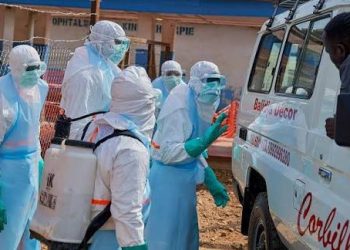
Idris urged state governments to strengthen emergency preparedness by providing adequate facilities, funding and supplies for quarantine operations. He also confirmed additional infection-prevention training for healthcare workers and efforts to replenish protective equipment. The financial intervention highlights the challenge of balancing disease-control measures with the economic needs of individuals required to remain under public health supervision. Authorities maintain that early detection, contact tracing and strict infection prevention remain essential to preventing community transmission.