KINSHASA — Residents of Kinshasa are taking precautions against Ebola even though the latest outbreak remains concentrated in eastern Democratic Republic of Congo, where health authorities and international partners are racing to contain the Bundibugyo strain of the virus.
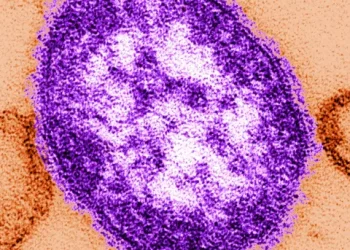
The outbreak, declared in May, has raised concern across the country as infections continue to affect communities in eastern DRC. The World Health Organization said the current epidemic is caused by Ebola disease linked to the Bundibugyo virus and has been treated as a major public health emergency because of the risk of further spread.
In Kinshasa, a city of about 22 million people and the country’s main centre for epidemic monitoring, logistics and emergency coordination, residents say they are staying alert while trying to avoid panic.
“Right now Ebola is mainly concentrated in the eastern part of the country, and there haven’t been any cases here in Kinshasa,” said local resident Biasala Tuwizana. “After this outbreak started, we all bought masks, disinfectant and other supplies. The government has also rolled out prevention publicity.”
Another resident, Makasi Ngalagbana, said the outbreak had changed daily habits but had not brought normal life in the capital to a halt.
“Ebola does make us a bit nervous,” Ngalagbana said. “We now try to stay away from crowded places and have taken some protective measures. All in all, it hasn’t had a huge impact on my work and life. We’ve also learned how to prevent the virus.”
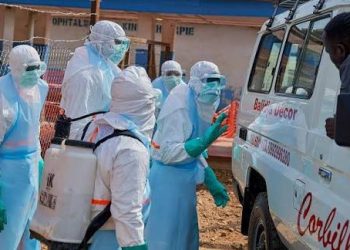
Local authorities have intensified public awareness campaigns, screening measures and preparedness work to guard against imported infections. WHO said response priorities include community awareness, infection prevention and control, laboratory support, case management and stronger surveillance, particularly in areas affected by insecurity and humanitarian challenges.
The Bundibugyo variant has caused previous outbreaks, including in Uganda in 2007 and DRC in 2012. Unlike the Zaire strain of Ebola, WHO has warned that there are currently no approved Bundibugyo-specific vaccines or treatments, making early detection, isolation, safe care and community trust especially important.
The outbreak has also exposed risks for health workers. WHO reported deaths among healthcare personnel early in the emergency, while later updates pointed to continuing occupational exposure risks and gaps in infection prevention in some health facilities.
For Kinshasa residents, the priority is vigilance without fear. Health officials say preventing spread to the capital will depend on rapid screening, accurate information and public cooperation.