GOMA — In Goma, the cultural capital of eastern Democratic Republic of Congo, stages that once hosted music festivals, dance performances and fashion shows have again fallen silent, this time because of Ebola restrictions imposed after a rapidly expanding outbreak.
The city, long known for its vibrant arts scene, had only one confirmed Ebola case, but authorities in rebel-controlled Goma banned public gatherings shortly after large crowds assembled to watch the Congolese national football team play in the World Cup. The order halted concerts, festivals, public celebrations and other mass events in a city still recovering from conflict.
Goma has been under the control of the Rwanda-backed M23 rebel group since January 2025, when the fighters seized the strategic city during an offensive that left bodies in the streets, overwhelmed hospitals and forced thousands to flee.
Cultural life had slowly begun to return after the takeover. Earlier this year, artists and organisers relaunched events in the city despite rebel rule, with cultural workers saying music, dance, poetry and fashion were helping residents cope with trauma and displacement.
But the Ebola outbreak has brought another shutdown. Goma-based producer and cultural organiser Élie Loka said the health emergency had forced the city’s creative sector to slow down again.
“What we are doing for this city in our cultural field is to make people smile again,” Loka said, adding that culture had become a way for residents to recover emotionally after years of violence and uncertainty.
The suspension affects major annual events including Festival Amani, Musika Na Kipaji, the Goma Dance Festival and Kivu Fashion Week. It also threatens the wider economy around performances, from dancers and musicians to hotels, event hosts, designers, sound engineers and market traders.
Cultural analyst Jacques Kyanga said the absence of events gives producers little incentive to invest in Goma, warning that the impact extends beyond entertainment.
“When there is music, there are many other disciplines that live around it,” he said. “This is a missed opportunity, not only for culture.”
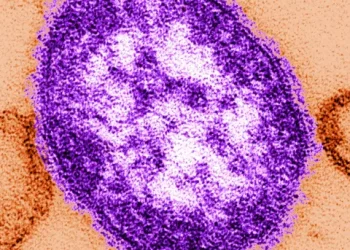
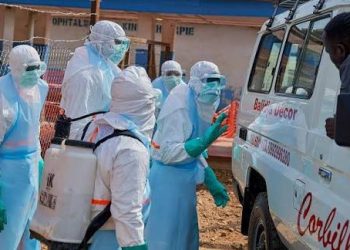
The restrictions come as Ebola continues to spread in eastern Congo. The outbreak, caused by the Bundibugyo strain, was declared in May and has now surpassed 5,000 confirmed cases, making it one of the largest Ebola outbreaks ever recorded.
Health authorities and international responders say Ituri and North Kivu remain among the hardest-hit areas, with insecurity, displacement and weak health infrastructure complicating contact tracing and treatment. The World Health Organization has warned that the outbreak has already become the largest Ebola epidemic documented in the DRC and may continue expanding without stronger containment.
For Goma’s artists, the crisis is another blow to a city where culture has often served as both livelihood and therapy. After years of war, displacement and political uncertainty, the empty stages now reflect a familiar reality: in eastern Congo, even moments of joy remain vulnerable to the next emergency.