ABUJA, NIGERIA
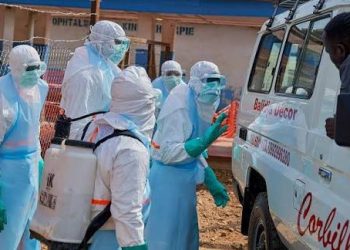
Nigeria has confirmed its first Ebola infection linked to Africa’s latest outbreak, triggering an emergency public health response as authorities race to prevent the deadly virus from spreading beyond the Federal Capital Territory. The Federal Ministry of Health and Social Welfare announced the laboratory-confirmed case on Tuesday, October 20, involving a woman who recently arrived in Nigeria on an international flight from Uganda. Health Minister Professor Muhammad Ali Pate confirmed that the patient is receiving treatment in isolation at an Abuja medical facility, while disease surveillance teams have identified 44 people who may have been exposed.
According to the World Health Organization (WHO), the woman arrived in Nigeria on October 3, developed symptoms on October 7 and sought treatment at a private hospital on October 11. Laboratory tests subsequently confirmed infection with the Bundibugyo strain of Ebola on October 20. Authorities are investigating her travel history to determine where she contracted the virus.
Ugandan officials maintained that the woman had only transited through their country after reportedly travelling to the Democratic Republic of Congo, where the outbreak originated in May. Nigeria’s confirmation makes it the fifth country to record infections linked to the ongoing regional outbreak.The Nigeria Centre for Disease Control and Prevention (NCDC) has activated its incident management system, strengthened hospital surveillance and intensified contact tracing. Healthcare workers, patients, caregivers and individuals who may have encountered the woman during her journey are among those being assessed.
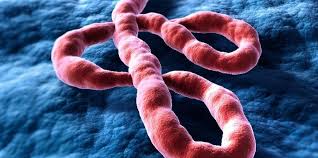
The WHO is supporting Nigeria’s response through technical assistance, infection-control measures and protective equipment for frontline health workers. The development comes as the Democratic Republic of Congo battles a rapidly expanding outbreak that has infected more than 9,500 people and claimed over 4,600 lives. Neighbouring Kenya has also confirmed nine infections, including one death. Ebola spreads primarily through direct contact with infected bodily fluids or contaminated materials. Symptoms include fever, severe weakness, muscle pain, vomiting and diarrhoea, with severe cases potentially developing life-threatening complications.
Nigeria previously contained an Ebola outbreak in 2014, providing valuable experience in emergency surveillance and infection control. Health officials have urged Nigerians to remain calm, avoid misinformation and immediately report suspected infections. The government has not announced nationwide movement restrictions, while the WHO advises against blanket travel and trade bans. For Nigeria, the immediate priority is identifying every potential exposure, protecting healthcare workers and preventing a single imported infection from developing into a wider outbreak.