The Nigeria Centre for Disease Control and Prevention has identified Lagos, the Federal Capital Territory, Kano, Rivers, and six other states as high-risk areas amid heightened surveillance concerns over the potential spread of Ebola Virus Disease in Nigeria.
Health authorities said the classification forms part of strengthened national preparedness measures aimed at preventing any possible outbreak and ensuring rapid response capacity across the country. The agency noted that the identified states were prioritised due to their high population density, international travel links, and economic activity, which could increase vulnerability to infectious disease transmission.
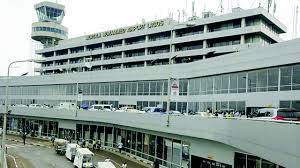
According to the NCDC, enhanced surveillance systems have been activated in the flagged states, including screening at points of entry, improved case detection mechanisms, and intensified public health monitoring. The agency also confirmed that emergency response teams have been placed on standby to respond swiftly to any suspected cases.
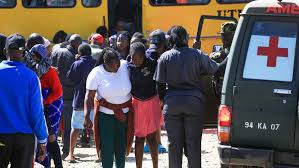
Officials emphasized that Nigeria remains on alert following reports of Ebola cases in some parts of Africa, warning that cross-border transmission remains a public health risk if preventive measures are not strictly observed. The agency urged health facilities to maintain a high index of suspicion for symptoms consistent with viral haemorrhagic fevers and to immediately report suspected cases.
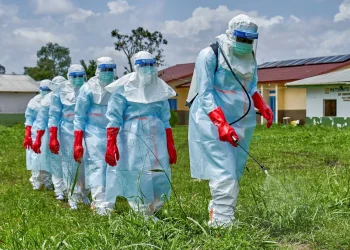
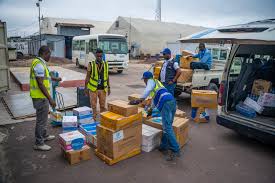
The NCDC also called on state governments to strengthen infection prevention and control measures, particularly in hospitals and other public health settings, while ensuring adequate availability of protective equipment for health workers.
Public awareness campaigns have been intensified to educate citizens on preventive practices, including proper hygiene, early reporting of symptoms, and avoidance of contact with suspected cases. The agency reassured the public that there is currently no confirmed Ebola case in the country.
Health experts say early detection and coordinated response remain critical in preventing outbreaks, especially in densely populated urban centres such as Lagos and Abuja, which are considered potential entry points for infectious diseases.
The NCDC reiterated its commitment to safeguarding public health and maintaining continuous surveillance as part of national preparedness efforts against epidemic-prone diseases.