KISANGANI, DR Congo — Congolese authorities have inaugurated a new Ebola treatment centre in Kisangani, the capital of Tshopo province, as health officials race to expand surveillance, testing and treatment capacity during the country’s fast-growing Bundibugyo Ebola outbreak.
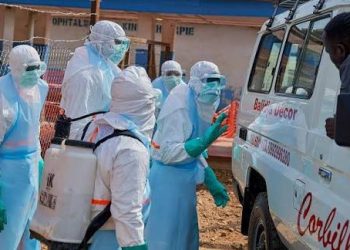
The facility, supported by Doctors Without Borders, also known as Médecins Sans Frontières, has 22 beds currently equipped, with the ability to expand to 50 beds as demand increases. It is intended to strengthen isolation and clinical care in a city where Ebola was detected in July for the first time during the current outbreak.
Kate Nolan, MSF’s emergency coordinator in Kisangani, said the centre would improve care for patients while also helping to interrupt community transmission.
“Having an Ebola Treatment Center with all the necessary support services, sufficient treatment capacity, and good access to patients will improve the ability of medical staff to provide the best possible care,” she said, adding that isolation facilities are essential to breaking chains of infection.
The opening comes as the outbreak continues to spread beyond its earlier epicentre. The World Health Organization said the outbreak had expanded to 61 health zones across six provinces as of September 7, including Bas-Uélé, Haut-Uélé, Ituri, North Kivu, South Kivu and Tshopo.
Congolese authorities later reported that the virus had reached a seventh province, Sud-Ubangi, in the northwest. The Associated Press reported that a positive sample from Sud-Ubangi confirmed the outbreak’s continued geographic expansion.
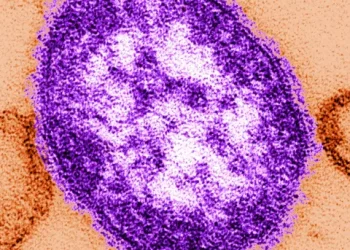
The outbreak is caused by the Bundibugyo species of Ebola, a rarer form for which there is no approved vaccine or treatment specifically licensed for use. Existing tools, including the Ervebo vaccine, were developed for the Zaire strain of Ebola, though WHO has recommended testing whether it may offer some protection in the current emergency.
The scale of the outbreak has placed severe pressure on health responders. Reuters reported that confirmed infections have topped 7,000, with the death toll rising above 3,300 across seven provinces, making it the deadliest Ebola outbreak in DR Congo’s history.
Response efforts have been complicated by armed conflict, population displacement, weak health infrastructure and intense movement between affected communities. WHO has also warned that staff shortages and funding challenges are hampering the response, forcing authorities and partners to decentralise care by building treatment centres closer to newly affected areas.
MSF says more than 1,700 staff are currently working in DR Congo, treating patients, establishing Ebola treatment centres and isolation units, and supporting overwhelmed health facilities with infection prevention and control.
For Kisangani, the new centre is both a medical intervention and a warning. The arrival of Ebola in a major city increases the urgency of rapid diagnosis, safe isolation, contact tracing and community engagement.
Health officials say expanding treatment capacity alone will not end the outbreak, but it can reduce deaths, protect health workers and slow transmission while responders work to contain the virus across a widening front.