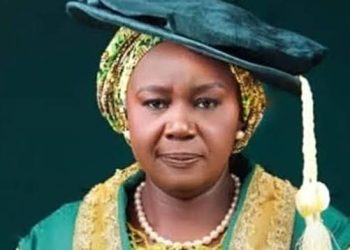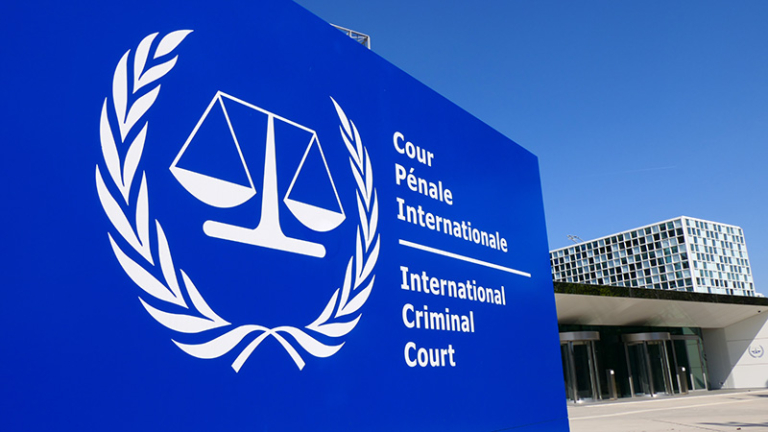
The President of the International Criminal Court (ICC), Judge Tomoko Akane, has strongly criticised the administration of United States President Donald Trump over sanctions imposed on the court and its officials, accusing Washington of attempting to undermine international justice.
Speaking remotely to the United Nations General Assembly on Monday, November 2, 2026, Akane condemned the sanctions as unprecedented measures threatening the independence and operations of the Hague-based tribunal.
The Japanese judge urged all 193 United Nations member states to defend the court against political interference, warning that efforts to weaken the institution could undermine accountability for serious international crimes.
The Trump administration has imposed several rounds of sanctions targeting ICC judges, prosecutors and other officials over investigations involving the United States and its allies, particularly Israel. On October 9, Washington announced further restrictions against the court itself.
US Secretary of State Marco Rubio defended the administration’s position, arguing that the ICC had exceeded its authority and that sanctions were necessary to prevent the institution from taking action against American interests and personnel.
However, Akane rejected the pressure, maintaining that the court would continue carrying out its responsibilities independently and impartially, guided by international law and available evidence.
The ICC, established in 2002, investigates and prosecutes individuals accused of genocide, war crimes, crimes against humanity and the crime of aggression under applicable jurisdictional conditions. The United States is not a member of the tribunal.
The European Union and several other countries reaffirmed their support for the ICC during the General Assembly meeting, emphasising the importance of judicial independence and accountability for grave international crimes.
The confrontation highlights continuing tensions between Washington and the international justice system, raising concerns about the impact of economic sanctions and diplomatic pressure on institutions responsible for prosecuting serious violations of international law.