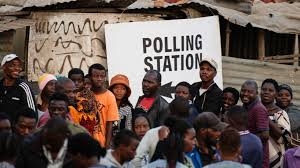
The people of Malawi went to the polls on September 16, 2025, and now, the much-anticipated vote counting process is underway. This election is seen as a defining moment for the country, coming at a time of severe economic difficulties and widespread public frustration.
After polling stations officially closed at 14:00 GMT, ballot boxes were swiftly transported to designated counting centres across the nation. Election officials confirmed that the process began immediately to ensure transparency and accuracy. Moreover, both local and international observers are closely monitoring the tallying exercise.
Although 17 candidates contested the presidency, the election has largely been framed as a battle between incumbent President Lazarus Chakwera and former President Peter Mutharika. Consequently, many analysts describe the contest as a two-horse race, with the outcome likely to reflect voters’ dissatisfaction with economic conditions.
Importantly, this election takes place against the backdrop of high inflation, fuel shortages, and food insecurity. For instance, inflation is currently estimated at over 20%, while climate shocks such as droughts and cyclones have intensified hardship. Therefore, many citizens view the ballot as an opportunity to demand stronger leadership and urgent solutions.
In contrast to the 2020 elections, voter turnout appears lower this year. Reports suggest participation hovered around 51%, compared to about 64% in the previous polls. Nevertheless, those who turned out emphasised their determination to be heard. As one voter explained, “Even if times are hard, this is our chance to call for change.”
Under Malawi’s electoral law, a candidate must secure over 50% of the votes to win outright. Otherwise, the election will proceed to a runoff. Official results are expected by September 24, 2025, though provisional figures may be released earlier. In the meantime, all eyes remain on the Electoral Commission as counting continues across the country.
Malawi’s presidential election vote counting has begun, setting the stage for what could be one of the most consequential political outcomes in recent years. While the process unfolds, both supporters and critics of the leading candidates are anxiously waiting to see who will take charge of steering the country out of its economic crisis.