YAOUNDÉ, Cameroon
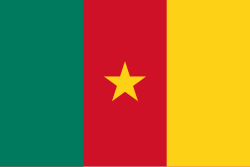
Calls for political renewal are growing in Cameroon as citizens demand younger leaders, stronger accountability and improved governance ahead of parliamentary and municipal elections scheduled for February 7, 2027. President Paul Biya, 93, announced the election date through a presidential decree signed on Monday, November 9, ending months of uncertainty following repeated postponements. The elections will determine representatives in Cameroon’s 180-seat National Assembly and municipal councils, offering voters an opportunity to reshape political leadership at national and local levels.
Biya, who has governed Cameroon since 1982, remains the world’s oldest serving head of state, with his prolonged presidency generating debate over political succession and generational change. In Yaoundé, residents interviewed by international news agencies expressed frustration over ageing political leadership, weak public institutions and the slow pace of economic development. Nkopipie Kodjo, a civil society leader, called for greater participation by younger politicians, arguing that many established leaders no longer understand the challenges confronting ordinary citizens. Businessman Henri Etene criticised the country’s economic difficulties and alleged mismanagement of public development projects.
He expressed hope that newly elected lawmakers would prioritise meaningful parliamentary debates and introduce policies addressing unemployment, infrastructure challenges and declining public confidence. Agricultural technician Robert Fodjo also urged prospective representatives to honour their campaign promises and place national interests above personal political ambitions.
The elections were originally expected in 2025 but were postponed twice, resulting in extensions of the mandates of lawmakers and municipal councillors elected in February 2020. Under the latest decree, voting will take place between 8 a.m. and 6 p.m. on February 7. The announcement comes amid continuing political tensions following the disputed October 2025 presidential election, which handed Biya another term.
Opposition groups challenged the results, while subsequent demonstrations triggered security crackdowns and arrests. Concerns over political freedoms have intensified following restrictions affecting opposition parties, including the Cameroon National Salvation Front associated with former presidential candidate Issa Tchiroma Bakary.
Meanwhile, the government faces questions over a long-promised cabinet reshuffle and the appointment of a vice president following constitutional changes earlier this year. The ruling Cameroon People’s Democratic Movement continues to dominate the National Assembly, presenting opposition parties with a significant electoral challenge.
As political parties prepare their candidates, public attention is increasingly focused on whether the elections will deliver meaningful representation, stronger institutions and improved economic opportunities. For voters seeking change, February’s elections represent an important opportunity to demand accountability from those entrusted with governing the country.