BENGHAZI, Libya
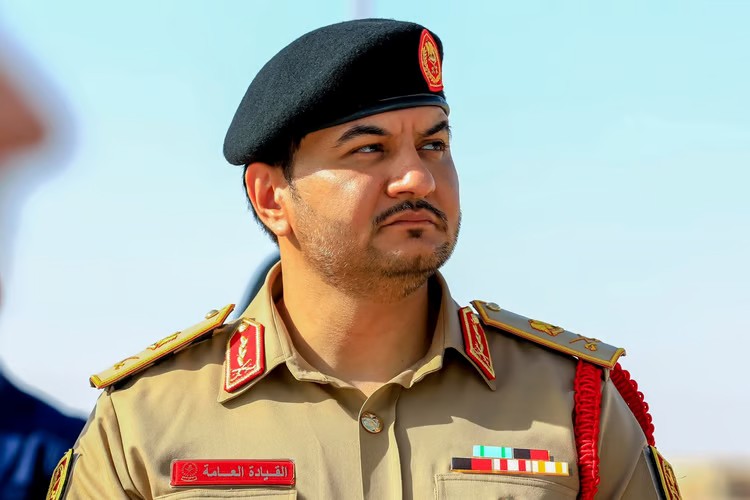
Saddam Haftar, son of eastern Libya’s powerful military commander Khalifa Haftar, is emerging as a leading contender for the country’s presidency as diplomatic negotiations, political manoeuvring and shifting regional alliances reshape Libya’s prolonged struggle for national unity.
The deputy commander of the Libyan National Army has intensified efforts to consolidate political influence, with analysts suggesting that a proposed United States-brokered power-sharing agreement could place him at the head of a unified Libyan administration.
The negotiations, supported by US President Donald Trump’s senior adviser for Arab and African affairs, Massad Boulos, seek to reconcile Libya’s rival governments and end years of political division.
Under arrangements reportedly being discussed, Saddam could assume the presidency while Tripoli-based Prime Minister Abdul Hamid Dbeibah retains his position.
However, no final agreement has been announced.
A significant development occurred on October 20 when Libya’s eastern-based House of Representatives approved a controversial maritime agreement with Türkiye, reversing years of opposition to a deal originally signed by the Tripoli government in 2019.
Political analyst Emadeddin Badi argues that Saddam helped facilitate the reversal to secure Ankara’s support for his presidential ambitions.
Türkiye remains an influential military and political partner of western Libya, making its cooperation potentially important to any national settlement.
The parliamentary decision followed the removal of longtime Speaker Aguila Saleh, who was replaced by Al-Salhin Abdulnabi earlier this month.
Analysts believe the leadership change has strengthened Saddam’s influence within eastern Libya’s political establishment.
Nevertheless, his ambitions face significant obstacles.
Greece, Cyprus and Egypt have opposed the maritime agreement, while competing interests among foreign powers threaten to complicate negotiations.
Saddam also faces potential rivalry within his family, particularly from his brother Khaled Haftar, who occupies a senior military position and maintains relationships with regional partners.
Libya has remained politically fragmented since the 2011 overthrow of longtime leader Muammar Gaddafi.
The country is divided between the internationally recognised administration in Tripoli and rival eastern authorities backed by Khalifa Haftar’s forces.
Repeated attempts to organise national elections have failed amid disagreements over constitutional arrangements, leadership eligibility and institutional control.
Although Washington continues pushing for political reunification, critics warn that agreements negotiated primarily among powerful factions could sideline ordinary Libyans.
For Saddam Haftar, the emerging diplomatic opportunities represent a potential path from military influence to national political leadership.
Whether that ambition succeeds will depend on domestic negotiations, regional alliances and Libya’s unresolved struggle to establish a unified government.