BRASÍLIA, Brazil
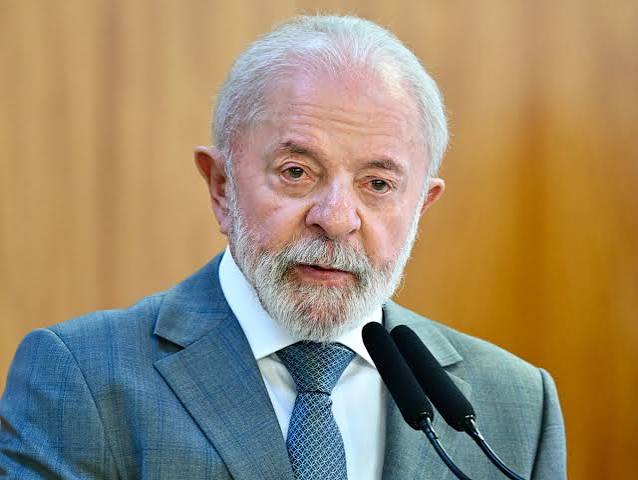
Brazilian President Luiz Inácio Lula da Silva has secured a historic fourth term after defeating right-wing Senator Flávio Bolsonaro in Sunday’s fiercely contested presidential runoff, completing an extraordinary political comeback in Latin America’s largest democracy. With virtually all votes counted, Brazil’s Superior Electoral Court confirmed that the 80-year-old president had won approximately 51.8 percent of valid ballots, compared with 48.2 percent for Bolsonaro, a margin of nearly 4.4 million votes. The victory makes Lula the first presidential candidate in Brazil’s modern democratic history to overturn a first-round defeat and win the runoff.
Bolsonaro, the eldest son of imprisoned former President Jair Bolsonaro, had entered the decisive contest with an advantage after securing 47.03 percent in the October 4 first round, against Lula’s 45.16 percent. Celebrations erupted across São Paulo and other major cities as supporters waved Brazilian flags, sang campaign songs and celebrated the president’s unexpected victory. Addressing jubilant supporters, Lula pledged to govern for all Brazilians, including those who voted against him, while promising renewed efforts to reduce poverty, strengthen public services and promote economic opportunity.
However, the election ended amid controversy after Supreme Court Justice Cristiano Zanin ordered a two-hour extension of voting following reports of transportation disruptions and severe weather. Although both campaigns had sought additional voting time, Bolsonaro rejected the outcome and announced plans to challenge the results, demanding that the election be annulled.
The election exposed deep political divisions over economic management, social welfare, public security, environmental protection and Brazil’s relationship with the United States. Lula’s victory comes despite persistent criticism over inflation, government spending and corruption controversies that shaped the campaign. His administration has highlighted reductions in poverty, unemployment and Amazon deforestation while promising further investments in social programmes. The result also presents a difficult governing challenge, with conservative parties expected to retain substantial influence in Congress.
Internationally, Lula’s re-election carries significant implications for regional diplomacy, climate negotiations and relations with Washington, particularly under US President Donald Trump. Brazil’s electoral authorities have formally recognised Lula’s victory, with his new presidential term scheduled to begin on January 5, 2027. As celebrations continue, attention is shifting towards potential legal challenges, the opposition’s response and the president’s ability to govern a deeply divided nation.