HARARE, ZIMBABWE
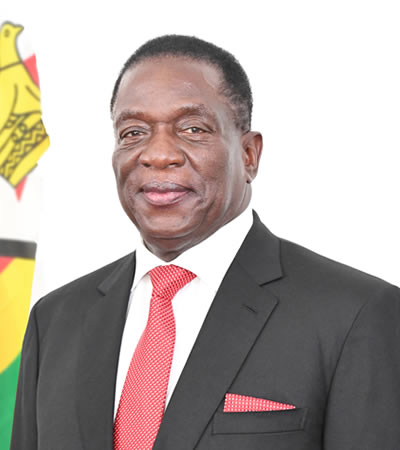
Zimbabwe’s ruling ZANU-PF party has endorsed President Emmerson Mnangagwa to remain in power beyond 2028, backing the 84-year-old leader for the country’s 2030 presidential election amid mounting criticism over constitutional changes extending his tenure. The decision was adopted during the party’s 23rd National People’s Conference in Chinhoyi, northwest of Harare, which concluded on Saturday, October 17.
Party officials unanimously supported Mnangagwa’s continued leadership and endorsed him as their preferred presidential candidate, reinforcing efforts to retain him at the centre of Zimbabwean politics. The conference also agreed to postpone ZANU-PF’s elective congress from 2027 to 2029, aligning its internal leadership arrangements with recently amended national constitutional provisions.
The development follows controversial constitutional amendments signed into law by Mnangagwa in July 2026. The changes extended presidential and parliamentary terms from five to seven years, shifted the next general election from 2028 to 2030 and replaced direct presidential elections with a system in which parliament chooses the head of state. Supporters argue that the reforms promote political continuity, economic development and stability.
However, opposition politicians, civil society organisations and human rights advocates have criticised the changes, raising concerns about democratic accountability, presidential term limits and voters’ ability to directly choose their leader. Addressing party delegates, Mnangagwa defended ZANU-PF’s political direction and reaffirmed his confidence in the ruling movement. The endorsement also highlights tensions within ZANU-PF over the president’s eventual succession.
While one faction supports his continued leadership, another is reportedly positioning Vice-President Constantino Chiwenga as a possible successor. Chiwenga, a former military commander, played a significant role in the 2017 military intervention that ended Robert Mugabe’s 37-year rule. Mnangagwa subsequently assumed the presidency and won elections in 2018 and 2023.
By 2030, he will have governed Zimbabwe for approximately 13 years. The succession debate comes as the southern African country continues confronting economic pressures, unemployment, public service challenges and disagreements over political freedoms. ZANU-PF has governed Zimbabwe since independence in 1980, maintaining a dominant position in national politics.
Although the party’s endorsement establishes its preferred candidate, it does not itself constitute a national electoral victory. Attention now turns to the implementation of the constitutional changes, preparations for the 2029 party congress and the political contest scheduled for 2030. For Zimbabwe, the decisions raise fundamental questions about political succession, electoral representation and the future direction of the country’s democratic institutions.