YAOUNDÉ, CAMEROON
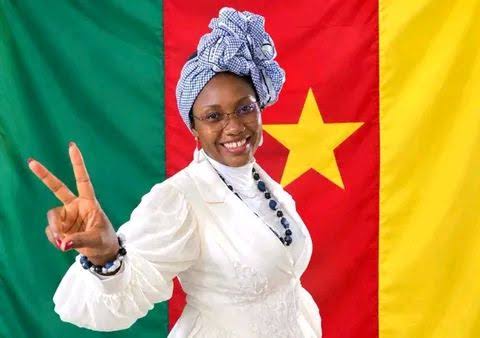
Cameroon’s leading opposition party, the Cameroon Renaissance Movement (MRC), has elected Tiriane Balbine Noah as its first female president, marking a historic leadership transition after 14 years under prominent opposition figure Maurice Kamto. Noah secured 96.89 percent of the vote during an extraordinary party congress held on Saturday, October 17, at the MRC headquarters in Yaoundé, despite controversy surrounding the gathering and allegations of political interference. Approximately 1,200 party delegates assembled to choose a new leader as supporters celebrated the opportunity to hold the convention following disputes over its authorisation.
Noah, who had served as interim president since Kamto’s resignation in September, entered the election without an active challenger after rival Pierre Emmanuel Binyam withdrew, citing alleged irregularities in the internal electoral process. Her victory gives her a renewable five-year mandate and places her at the centre of the party’s preparations for Cameroon’s 2027 legislative and municipal elections. Speaking after her election, Noah paid tribute to activists who had faced imprisonment, intimidation and other hardships while supporting the opposition movement. She also praised Kamto’s leadership, describing the convention as an opportunity to honour his political contributions and continue the party’s work.
MRC National Secretary for Party Reform Joseph Emmanuel Ateba accused authorities of repeatedly obstructing the party’s activities, although the government ultimately permitted Saturday’s congress to proceed. The leadership transition follows Kamto’s September 8 resignation alongside first vice-president Mamadou Mota. Their departures came amid a dispute with the Ministry of Territorial Administration, which had refused to recognise the party’s December 2025 leadership elections.
MRC officials viewed the resignations as a means of protecting the party’s legal standing and political future. However, the leadership change also presents significant challenges for Noah, including strengthening internal unity, resolving disputes over party procedures and rebuilding confidence among supporters. Her election represents an important milestone for female political representation within the MRC, where leadership had remained dominated by Kamto since the movement’s establishment in 2012.
Attention now shifts to whether the new leadership can strengthen the party’s grassroots organisation and prepare candidates for the approaching elections. For Noah, the immediate priority is ensuring the MRC remains politically active, organisationally united and capable of competing in Cameroon’s evolving political environment.