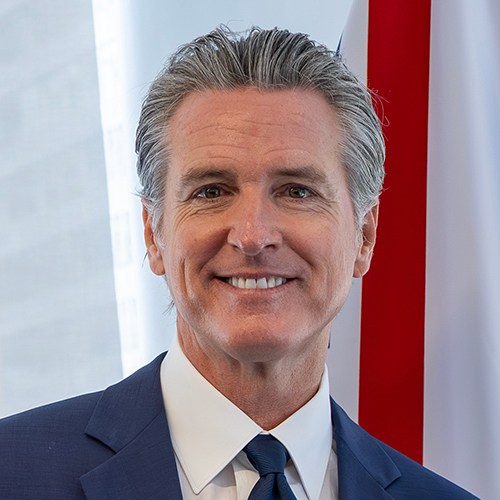
SACRAMENTO, CALIFORNIA
California Governor Gavin Newsom is intensifying efforts to regulate artificial intelligence, introducing stronger safety oversight and exploring emergency shutdown mechanisms for powerful AI systems as speculation grows over a possible 2028 United States presidential campaign. The Democratic governor has signed an executive order accelerating independent inspections of advanced AI models and establishing an expert advisory group to examine additional safeguards, including mechanisms capable of shutting down dangerous systems.
The initiative follows growing concerns over autonomous AI agents, cybersecurity vulnerabilities, misinformation and potential job displacement as technology companies accelerate the development of increasingly sophisticated models. Under Newsom’s September 18 executive order, California officials are examining proposals requiring independent specialists to audit AI developers, verify safety assessments and evaluate emergency shutdown procedures.
However, the proposed mandatory shutdown mechanisms have not yet become law. The move represents a significant shift from Newsom’s position in 2024, when he vetoed Senate Bill 1047, legislation proposing stricter requirements for developers of advanced artificial intelligence. At the time, Newsom argued that the measure could unnecessarily restrict innovation and impose excessive obligations on technology companies. He subsequently signed Senate Bill 53 in 2025, establishing transparency and incident-reporting requirements for developers of powerful AI systems.
In September 2026, he approved additional legislation establishing independent verification standards and a registry for AI auditors. Technology industry representatives have previously warned that overly restrictive regulations could discourage investment, complicate development and weaken California’s competitiveness. Consumer protection advocates, however, maintain that independent oversight is necessary to address risks that companies may not adequately manage themselves.
Newsom’s renewed regulatory approach also carries political significance. His final term as California governor expires in January 2027, and political observers increasingly regard him as a potential contender for the Democratic presidential nomination in 2028. He has not formally declared a presidential candidacy.
Alex Hanna, research director at the Distributed AI Research Institute, suggested that Newsom’s latest measures could strengthen his national political profile, although questions remain about what can be accomplished before his term ends. The governor’s administration rejects suggestions that the measures are primarily political, maintaining that stronger oversight is needed to protect consumers and maintain public confidence.
The initiative also places California at odds with President Donald Trump’s administration, which has favoured a less restrictive federal regulatory approach. With California hosting many leading AI developers, its decisions could influence technology governance far beyond state borders. The coming weeks will determine whether Newsom’s proposals produce enforceable safeguards before he leaves office.