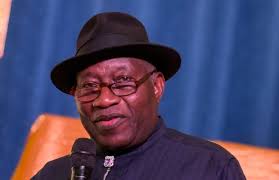
Senator Victor Umeh has questioned the planned use of artificial intelligence in Nigeria’s 2027 elections, saying unresolved concerns surrounding the 2023 presidential election should be addressed before INEC expands the role of technology in the electoral process.
Umeh, who represents Anambra Central, spoke on September 11 during an interview on Politics Today. His comments focused on the glitch announced during the collation of the 2023 presidential results and what he described as continuing public anxiety over the election.
His remarks came after INEC disclosed that it had established a dedicated Artificial Intelligence Unit. The commission said the unit would examine responsible uses of AI in areas including electoral data management, voter registration and the transmission of results.
INEC Chairman Joash Amupitan had earlier said the commission would combine technological development with safeguards against misuse. The initiative forms part of wider preparations for the 2027 elections and the commission’s efforts to respond to emerging risks associated with digital technology.
Umeh remains concerned about the unresolved 2023 issue. He questioned the wisdom of introducing additional technology when, according to him, INEC had not adequately explained the glitch that occurred during the collation of the presidential results.
The senator also pointed to the possibility of sophisticated AI-generated material being used to manipulate public perception. He warned that fabricated images and other convincing digital content could make it increasingly difficult for people to distinguish authentic material from content that had been altered.
For that reason, Umeh urged caution over the technology’s role in the next election. His position is that confidence in the electoral system should remain central as INEC considers how artificial intelligence can be incorporated into election administration.
Amupitan, meanwhile, has argued that AI should complement electoral institutions rather than become a substitute for sound administration. He made the point on September 10 while presenting Nigeria’s position at the Global Conference on Responsible AI and Elections in Ottawa, Canada.
The Ottawa conference brought together electoral stakeholders to examine how artificial intelligence is being used in election administration and how its deployment can be governed responsibly. The three-day meeting was held from September 9 to 11.
During the conference, Amupitan also held discussions with technology and electoral organisations. His September 11 meeting with Google’s Global Lead for Civic Responsibility, David J. Lopez, was part of wider engagements on AI and elections.
Back home, INEC has continued preparing for the 2027 polls while addressing the risks created by AI-generated misinformation. The commission has trained public affairs officers to respond to manipulated audio, video and images that could affect election communication.
INEC has also warned about deepfakes and fabricated election materials. At an editors’ conference in Enugu on September 24, the commission called for stronger fact-checking and digital verification ahead of the 2027 elections.
The commission’s preparations extend beyond AI. INEC has scheduled a nationwide mock accreditation exercise for November 2026 to test BVAS and assess its readiness before the 2027 general election.
The disagreement therefore centres on how technology should be used without weakening confidence in the electoral process. While Umeh is calling for caution, INEC says it is exploring AI alongside safeguards, training and other measures aimed at preparing for the 2027 elections.