The Federal Government of Nigeria is considering stricter travel and public health measures, including possible flight restrictions and passenger isolation protocols, as authorities intensify efforts to prevent the spread of Ebola Virus Disease into the country.
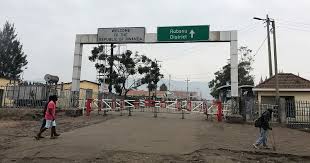
Officials said the proposed measures are part of broader emergency preparedness plans being reviewed following renewed Ebola concerns in parts of Africa. The government is reportedly assessing the risk posed by international travel and cross-border movement, particularly through major airports and high-traffic entry points.
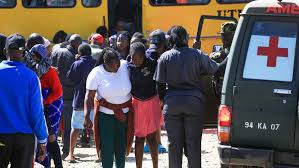
Health authorities disclosed that enhanced screening procedures have already been introduced at airports, while contingency plans are being developed for the possible isolation and monitoring of travellers arriving from affected or high-risk locations. The measures are aimed at strengthening early detection and preventing any potential outbreak within Nigeria.
The Nigeria Centre for Disease Control and Prevention and other relevant agencies are said to be collaborating with aviation authorities, border officials, and state governments to coordinate surveillance and emergency response systems.
Officials emphasized that no confirmed Ebola case has been recorded in Nigeria, but stressed that proactive steps are necessary given the highly infectious nature of the disease and the speed at which it can spread through international movement.
Experts say temporary travel restrictions and quarantine protocols are commonly considered during major public health threats, especially when neighbouring regions report active cases. However, authorities are also weighing the potential economic and social impact of any severe travel limitations before making final decisions.
Public health professionals have urged citizens to remain calm while adhering to safety advisories, including maintaining proper hygiene practices and promptly reporting symptoms associated with viral haemorrhagic illnesses.
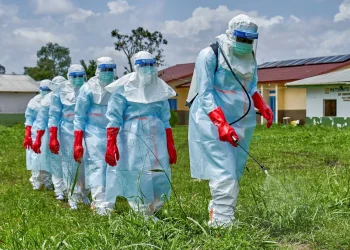
The government also reiterated its commitment to preventing a repeat of previous Ebola outbreaks by improving surveillance, increasing public awareness, and ensuring medical facilities remain prepared for emergency response situations.
The discussions come amid rising regional health concerns and renewed focus on epidemic preparedness across Africa. Authorities say additional measures may be announced depending on evolving public health assessments and recommendations from international health bodies.