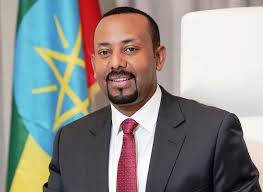
Abiy Ahmed and the ruling administration are heading into a closely watched electoral process in Ethiopia, with the prime minister widely expected to secure a strong victory as the country goes to the polls.
Voting is taking place across selected constituencies in a nationwide exercise that is being closely monitored by domestic observers and international stakeholders. The election is seen as a key test for the government as it seeks to consolidate political authority while managing ongoing security and economic challenges.
Abiy Ahmed, who has led the country since 2018, is expected to benefit from a fragmented opposition and strong ruling party structures in many regions. Political analysts suggest that the electoral environment and the distribution of opposition influence could contribute to a decisive outcome in favour of the incumbent leadership.
The electoral process comes at a time when Ethiopia continues to face internal tensions in some regions, alongside efforts by the government to stabilise security conditions and advance political reforms. These factors have shaped both voter turnout expectations and the broader political atmosphere surrounding the polls.
Officials overseeing the election have maintained that the process is being conducted in line with national electoral guidelines, with security arrangements in place to ensure peaceful voting. However, concerns have been raised by some observers regarding inclusivity, access in conflict-affected areas, and the competitiveness of the race.
The National Election Board of Ethiopia has stated that it is committed to ensuring transparency in the collation and announcement of results, which are expected to be released in phases following the completion of voting in various constituencies.
As ballots are cast, attention remains focused on voter participation levels, regional dynamics, and how the outcome may shape Ethiopia’s political trajectory in the coming years.
While the final results are yet to be declared, expectations of a landslide victory for Abiy Ahmed continue to dominate political discussions both within the country and among international observers monitoring the electoral process.