Tensions between Abia State Governor Alex Otti and the Deputy Speaker of the House of Representatives, Benjamin Kalu, have escalated over a $263.8m loan secured for the Abia State Integrated Infrastructural Development Project (ABSIID).
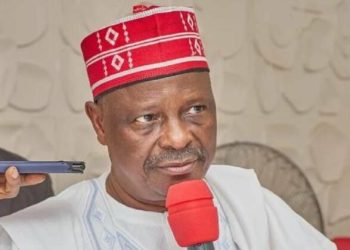
Chief Iheanyi Chinasa, Abia’s Chief Liaison Officer to the National Assembly and a political ally of the governor, on Sunday accused Kalu—who represents Bende Federal Constituency—of “crying wolf where there is none” after the lawmaker questioned the state’s use of funds.
Chinasa said the multi-lender facility comprises $125m from the Islamic Development Bank, $100m from the African Development Bank, and $15m from the Canada–Africa Development Bank, alongside $23.8m in state counterpart funding. He stressed that no funds have been drawn.
“These funds are still with the banks. The state has not drawn a single kobo from them as I speak,” Chinasa said, urging the public to verify the claim.
He accused the Deputy Speaker of spreading “false narratives” to discredit the Otti administration and described Kalu’s criticisms as politically motivated.
“Why does the Deputy Speaker like to misinform the public? Is this desperation to create controversy or to present himself as being persecuted for the President’s sake?” he asked, adding that it was “shocking” to demand results from an undisbursed loan.
Chinasa advised Kalu to focus on lawmaking and constituency representation rather than what he called “unprovoked attacks,” challenging him to test his popularity against Governor Otti in 2027.
The ABSIID package is intended to accelerate roads and urban renewal, utilities, and other capital projects across Abia. Supporters of the governor say the blended financing is structured to lower borrowing costs and spread project risk across reputable development lenders, while critics have raised concerns about debt sustainability and transparency.
Kalu, in recent remarks, questioned whether developments in the state match rising revenues, saying President Bola Tinubu’s fiscal changes—especially higher federal allocations following fuel subsidy removal—should be acknowledged. His allies argue that Abia must show clearer milestones and timelines for major projects given improved inflows and the size of the proposed facility.
The spat underscores deepening political fault lines ahead of 2027, with both camps trading barbs over performance, financing, and accountability. As at press time, there was no formal statement from the lending institutions on the disbursement schedule. The Abia government has maintained that project drawdowns will follow procurement, safeguard, and oversight milestones set by the partner banks.