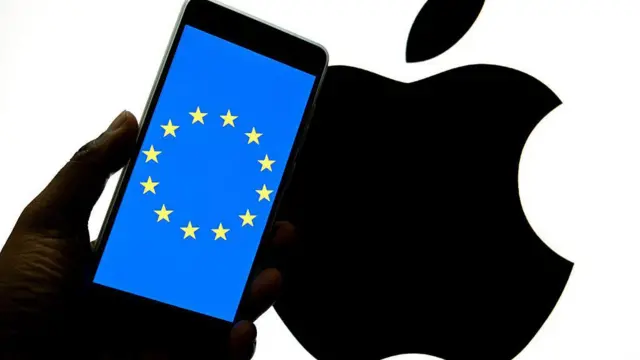
WASHINGTON, DC — A US human rights group has filed a lawsuit in Washington accusing Apple of using minerals tied to conflict and labour abuses in the Democratic Republic of Congo (DRC) and Rwanda, despite the company’s public claims of strict ethical sourcing.
In the complaint lodged in the Superior Court of the District of Columbia, International Rights Advocates (IRAdvocates) alleges that Apple’s supply chain still involves cobalt and other so-called “3TG” minerals — tin, tantalum and tungsten — linked to child labour, forced labour and armed groups in eastern Congo and across the border in Rwanda.
The group previously brought a high-profile case against Apple and other tech giants over Congolese cobalt mining in 2019. That federal lawsuit was ultimately dismissed, with US courts ruling in 2021 and again on appeal in 2024 that the plaintiffs had not established a sufficient causal link between the companies’ conduct and specific abuses on the ground.
In the new filing, IRAdvocates accuses Apple of misleading consumers about the true nature of its supply chain and asks the court for an injunction to halt what it calls deceptive marketing, rather than monetary damages. The suit claims that three Chinese smelters processed coltan smuggled through Rwanda after armed groups seized mines in eastern Congo, and alleges those smelters sit within Apple’s component supply chain.
Apple has rejected the allegations as “baseless”, saying it operates one of the industry’s most stringent responsible-sourcing programmes. The company says 99% of the cobalt used in its batteries now comes from recycled materials, and that it instructed suppliers to stop sourcing minerals from Congo and Rwanda as fighting in the region escalated this year. Earlier disclosures showed roughly 76% of Apple’s cobalt input was recycled in 2024, a figure the company has been seeking to push higher.
The lawsuit also points to UN and NGO investigations describing how armed groups in eastern DRC have long financed their operations by taxing or controlling mines that produce 3TG minerals and cobalt.
Apple counters that independent third-party audits give it no reasonable basis to believe its supply chain finances armed groups or relies on forced labour. The company has previously argued — successfully, in the earlier US case — that buying processed minerals through complex global supply chains does not make it legally responsible for abuses in upstream artisanal mines it does not control.
The new suit ensures Apple will remain under legal and public scrutiny over Congo-linked minerals, even as it and other tech firms promote recycling and tighter oversight as answers to mounting concerns about the hidden human costs of the green and digital economy.