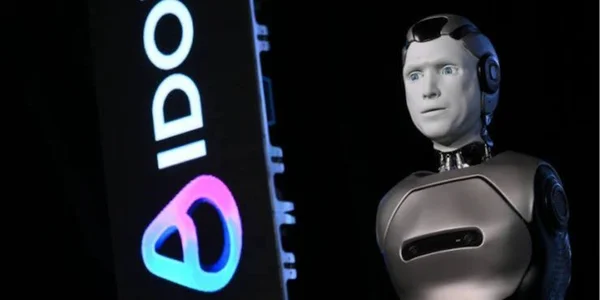
KYOTO, Japan — Japanese researchers have unveiled an AI-powered humanoid known as “Buddharoid” at a temple in Kyoto, in an experiment that blends robotics, generative AI and Buddhist teaching as Japan grapples with an aging population and a shortage of clergy. The project was developed by researchers at Kyoto University and presented this week as a possible new tool for spiritual guidance and religious outreach.
At a media demonstration, Buddharoid appeared in a simple gray robe and spoke in a calm voice about Buddhist ideas, answering personal and philosophical questions drawn from scripture. Reports said the system combines conversational AI with humanlike motion, allowing it to walk, gesture and interact more naturally with visitors than earlier, more static religious robots.
Researchers say the machine has been trained on a large body of Buddhist texts, including specialized scriptures, so it can respond to sensitive questions that some people may feel uncomfortable raising with other humans. During one demonstration described in coverage of the unveiling, the robot advised a journalist dealing with anxiety to slow down and observe thoughts rather than be carried away by them — a reply meant to reflect core Buddhist ideas about awareness and detachment.
The project comes as Japan faces both demographic decline and a shrinking pool of monks able to serve temples and local communities. Kyoto University researchers and outside observers said AI-based religious assistants could help fill some of those gaps, whether by offering basic guidance, answering questions, or eventually supporting certain ritual or educational functions.
But the debut is also reviving deeper questions about authenticity in religious practice. Can spiritual counsel delivered by a machine carry the same meaning as guidance from a human monk? And does easier access to AI risk turning religion into a form of automated customer service? Those debates are not entirely new in Japan: Kyoto has already drawn international attention for Mindar, a robot preacher introduced at Kōdai-ji Temple in 2019, which delivered scripted Buddhist sermons but was less conversational than the new Buddharoid system.
For now, Buddharoid remains an experiment rather than a replacement for clergy. But its debut suggests that in Japan — where tradition and advanced technology often coexist — the future of spiritual practice may increasingly include machines as well as monks.