ACCRA, Ghana | November 1, 2026
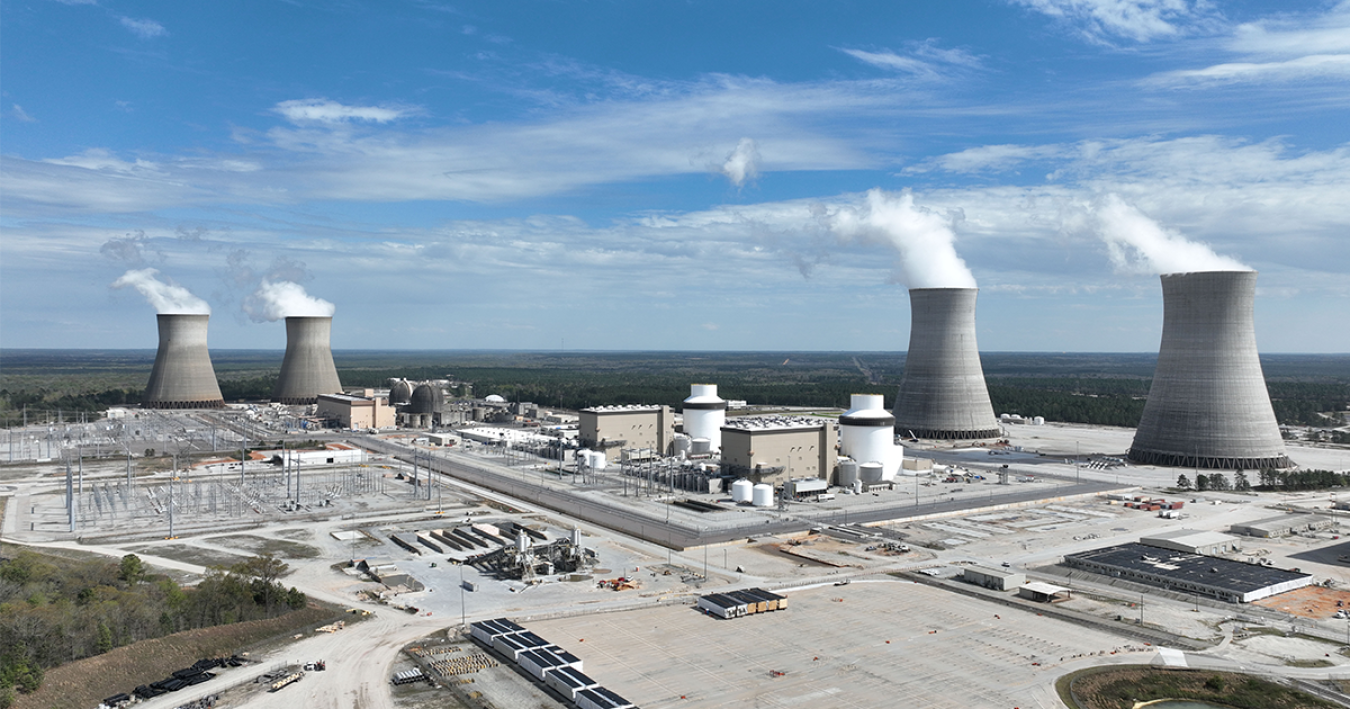
Ghana has secured Russia’s agreement to cooperate on the development of a 2,000-megawatt nuclear power plant, marking a significant step towards the West African nation’s ambition to generate electricity from nuclear energy for the first time.
Foreign Minister Samuel Okudzeto Ablakwa announced the development on Saturday, October 31, following talks between President John Dramani Mahama and Russian President Vladimir Putin during the Russia-Africa Summit in Moscow.
Ablakwa said the proposed project would strengthen Ghana’s energy security, support industrialisation and deepen economic cooperation between Accra and Moscow.
The announcement followed Mahama’s earlier confirmation that Ghana had initiated discussions with Russia’s state-owned nuclear energy corporation, Rosatom, over the construction of its first commercial nuclear power station.
Speaking at the summit on October 29, Mahama identified unreliable electricity as a major obstacle to Africa’s industrial development.
He explained that Ghana was pursuing a diversified energy strategy combining renewable sources with nuclear technology to provide more reliable electricity for businesses, industries and households.
The proposed 2,000MW facility could significantly expand Ghana’s electricity generation capacity, particularly as demand increases from manufacturing, mineral processing and population growth.
However, the government has not disclosed the project’s estimated cost, financing structure, construction timetable or proposed location.
The discussions also form part of Russia’s wider efforts to expand nuclear energy partnerships across Africa.
Rosatom has confirmed negotiations with Ghana, Uganda, Ethiopia and Egypt over large-scale nuclear power developments.
Ghana has been exploring nuclear electricity generation for decades and has already undertaken technical preparations with support from the International Atomic Energy Agency.
In 2025, international experts reviewed Ghana’s proposed nuclear site-selection process as part of preparations for its first power station.
The country has also previously pursued nuclear cooperation with China’s National Nuclear Corporation and American companies developing small modular reactor technology.
It remains unclear how the proposed Russian-backed development will fit into those existing arrangements.
Beyond nuclear energy, Ghana and Russia agreed to expand cooperation in defence, agriculture and education, including additional scholarships for Ghanaian students.
The latest announcement strengthens Ghana’s long-term energy ambitions but does not constitute a final construction contract.
Before electricity production can begin, the project must still address financing, safety licensing, environmental requirements and infrastructure development.
For Ghana, the proposed plant represents an opportunity to improve energy reliability and support industrial growth, although implementation remains subject to further agreements.