

RIYADH/TEHRAN/WASHINGTON
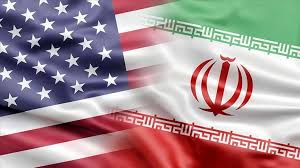
The United States and Iran exchanged fresh accusations on Tuesday as diplomatic efforts to end their months-long conflict remained deadlocked, while Saudi Crown Prince Mohammed bin Salman held rare talks with UAE Vice President Sheikh Mansour bin Zayed Al Nahyan amid growing security concerns across the Gulf.
US President Donald Trump said he was unsure whether Iran was ready to “give up,” claiming Tehran was performing poorly in the conflict. His comments came as Washington imposed a new round of sanctions targeting individuals and entities it accused of helping Iran obtain weapons and military components.
Iran responded defiantly. The Islamic Revolutionary Guard Corps issued an open letter to Americans criticising Trump’s handling of the war and accusing his administration of misleading the public about Iran’s nuclear programme and control of the Strait of Hormuz. The IRGC urged Americans to oppose Washington’s policies, particularly ahead of the US midterm elections.
The escalating rhetoric comes despite indirect negotiations mediated by Qatar.
Iranian Foreign Minister Abbas Araghchi has held talks with Qatari intermediaries over Tehran’s proposal to reopen the Strait of Hormuz and move towards a broader settlement. Washington insists Iran’s nuclear activities must be addressed as part of any agreement, while Tehran has sought sanctions relief, access to frozen assets and an end to the US naval blockade.
Trump has publicly denied reports that he offered Iran sanctions relief in exchange for nuclear concessions.
Meanwhile, regional diplomacy intensified in Riyadh, where Saudi Crown Prince Mohammed bin Salman met UAE Vice President Sheikh Mansour.
The visit was the first high-level UAE trip to Saudi Arabia since relations between the Gulf powers deteriorated over Yemen last year. The leaders discussed regional developments, shared interests and ways to strengthen bilateral cooperation.
Saudi-UAE relations had been strained after a UAE-backed Yemeni separatist advance near the Saudi border prompted Riyadh to condemn the move and strike a UAE-linked weapons shipment. The UAE subsequently withdrew from Yemen.
The renewed engagement comes as Iran-backed Houthi forces intensify attacks against Saudi targets and fighting escalates around Yemen’s Red Sea coast.
Energy markets remain highly sensitive to the conflict. Brent crude settled at $102.59 per barrel on Tuesday, falling 2.5 percent as Middle Eastern exports showed signs of recovery and Saudi Arabia restored flows through its East-West pipeline.
Despite renewed mediation and Gulf diplomacy, no ceasefire agreement has been announced, leaving the Strait of Hormuz, Iran’s nuclear programme and the widening Yemen conflict at the centre of an increasingly volatile regional confrontation.



















