

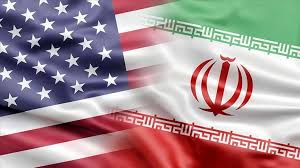
Negotiators from the United States and Iran entered a second day of talks on Monday aimed at turning a fragile ceasefire into a permanent end to the war, after an opening round in Switzerland was disrupted by sharp public remarks from US President Donald Trump.
The talks, held at a mountain resort near Lake Lucerne and mediated by Qatar and Pakistan, produced what mediators described as “encouraging progress.” Officials said the two sides agreed to establish a de-confliction mechanism to reduce tensions linked to fighting in Lebanon and to create channels intended to keep the Strait of Hormuz open.
US Vice President JD Vance, who led the American delegation, said the discussions had created a “good foundation for a successful final deal.” US officials also said progress had been made on mechanisms to preserve freedom of navigation through Hormuz, a vital route for global energy shipments, and to support a ceasefire in southern Lebanon.
Iranian officials also acknowledged progress, though Tehran insisted that no talks had begun on limiting its nuclear programme. President Masoud Pezeshkian said Iran would “never back down” from what it considers its right to enrich uranium.
The first day of talks, however, was nearly derailed after Trump issued warnings to Tehran from Washington. Iranian state media said negotiations paused after the “publication of an insulting message by the US President.” The Iranian delegation reportedly met separately with Qatari mediators before talks resumed.
Trump later warned Iran against allowing its allies in Lebanon to escalate the conflict, writing on social media that Tehran must stop its “proxies” or face new US strikes. He also told Fox News that Pezeshkian should “watch what he says,” according to a network correspondent.
Despite the rhetoric, talks continued. Reuters reported that the United States issued a temporary 60-day waiver allowing certain Iranian oil sales and related transactions, part of efforts to support the emerging peace framework and stabilise energy markets.
The negotiations follow months of war involving the US, Iran, Israel and Iranian-backed groups in the region. Fighting in Lebanon and repeated threats to close the Strait of Hormuz have intensified global pressure for a wider settlement.
Mediators say further technical talks are expected, but major disputes remain, including Iran’s nuclear programme, sanctions relief, security guarantees and the future role of armed groups in Lebanon.
The second day of talks is expected to test whether diplomatic momentum can survive public threats, regional mistrust and pressure from hardliners on both sides.



















