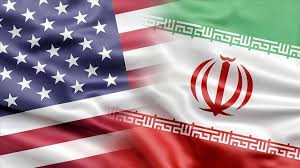
The United States on Wednesday demanded the immediate reopening of the Strait of Hormuz after reports that the vital shipping lane remained restricted despite a newly announced U.S.-Iran ceasefire, highlighting how fragile the truce remains and how quickly global energy and trade concerns have moved to the centre of the crisis. White House Press Secretary Karoline Leavitt told reporters that any continued closure of the waterway was “completely unacceptable” and said President Donald Trump expected it to be reopened “immediately, quickly and safely.”
The Strait of Hormuz is one of the world’s most important maritime chokepoints, carrying roughly 20% of global seaborne crude oil and liquefied natural gas. Its disruption during the recent U.S.-Iran war sent shockwaves through shipping markets and energy supply chains, stranding vessels, driving up costs and forcing major shipping firms to suspend or scale back services into the Gulf. Reuters reported that even after the ceasefire announcement, the route was not operating normally and shipping companies were still waiting for clarity on access and security.
Leavitt said the administration’s top priority was restoring unrestricted passage for oil tankers and other commercial traffic, and Reuters reported that Trump also pushed for the strait to reopen without tolls or other constraints. That stance appears to conflict with Iran’s position. Reuters said Tehran has proposed safe passage under its own military coordination and warned that vessels attempting unauthorised transit could be targeted, suggesting that while some ships have crossed, the route remains under contested control rather than fully reopened.
The uncertainty is already affecting major carriers. Maersk said the ceasefire may create some transit opportunities but does not yet provide “full maritime certainty,” while Hapag-Lloyd said it could take six to eight weeks for operations to return to normal even if the truce holds. Reuters also reported that around 1,000 ships remain caught up in the broader disruption, underlining how difficult it will be to restore confidence even if political tensions ease.
The White House demand therefore reflects more than a diplomatic message. It is also an attempt to reassure global markets and pressure Iran to convert a ceasefire on paper into real movement on the water. For now, however, the situation in Hormuz appears only partially improved, with traffic resuming modestly but normal commercial confidence still far from restored.