
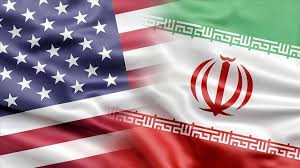
U.S. President Donald Trump has threatened to impose a 50% tariff on any country that supplies military weapons to Iran, escalating the economic pressure campaign against Tehran even as Washington pursues a fragile two-week ceasefire with the Islamic Republic. In a Truth Social post reported by Reuters on Wednesday, Trump said any country providing arms to Iran would be “immediately tariffed” on all goods sold to the United States, adding that there would be “no exclusions or exemptions.”
The warning came just hours after Trump struck a sharply different tone on diplomacy, saying the United States would work closely with Iran following the truce and discuss tariff and sanctions relief. Reuters reported that Trump described Iran as having gone through what he called a potentially “productive” regime change and claimed that many points in a proposed peace framework had already been agreed. The shift underscored the volatility of U.S. messaging as Washington tries to balance deterrence, nuclear demands and wider regional de-escalation.
Trump also repeated his insistence that Iran must not enrich uranium, saying the United States would work with Tehran to remove nuclear material buried after earlier American strikes. That position appears fundamentally at odds with Iran’s own stated demands. Reuters reported that Tehran is seeking sanctions relief while still insisting on the right to uranium enrichment, one of the biggest unresolved issues in the ceasefire talks. The White House said Iran has indicated a willingness to turn over enriched uranium stockpiles, but details remain unclear and no final agreement has been announced.
The ceasefire itself remains uncertain. Reuters reported that the two-week truce was brokered by Pakistan after more than five weeks of conflict, but key terms are disputed and hostilities have not fully stopped. The Strait of Hormuz, central to the deal, has not simply reopened in a settled way. Instead, reporting on Wednesday said shipping remains restricted, Iran is still asserting control over passage, and companies such as Maersk remain cautious because there is still no “full maritime certainty.”