

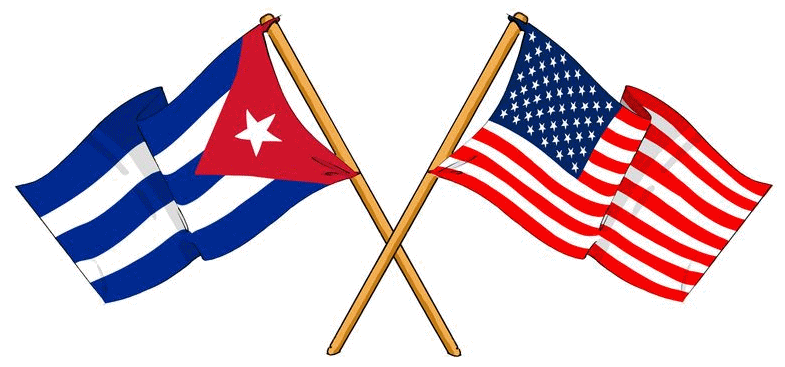
Cuban President Miguel Díaz-Canel has said dialogue with the United States and even a possible deal remain within reach, but warned that any breakthrough would be difficult as Havana resists pressure to alter its political system or leadership. In an interview aired by NBC News, Díaz-Canel said Cuba was willing to talk with Washington on the basis of respect and equality, while rejecting any negotiations tied to political change on the island.
The remarks come at a time of heightened strain between the two long-time adversaries. Díaz-Canel said discussions with the United States were possible, but only if they were conducted without conditions that undermine Cuban sovereignty. He made clear that Cuba would not accept demands involving his resignation or a redesign of its one-party political structure, arguing that such matters are for Cubans alone to decide.
His comments underscore both the possibility and the limits of a renewed rapprochement. Cuban officials have acknowledged ongoing contacts with Washington, but the two sides remain far apart on key issues, including sanctions, governance and the future of Cuba’s leadership. Havana has framed the latest U.S. posture as interventionist, while Washington has continued to signal that meaningful change in bilateral relations would require political concessions from the Cuban government.
The diplomatic friction is unfolding against the backdrop of Cuba’s deepening economic and energy crisis. The island has suffered severe fuel shortages, transport disruptions and repeated blackouts, with officials blaming tighter U.S. pressure and the collapse of oil supplies, especially from Venezuela. Associated Press and other outlets have reported that the energy squeeze has disrupted health services, food distribution and daily life across Cuba, adding urgency to any discussion of easing tensions with Washington.
Even so, Díaz-Canel’s message was not one of retreat. He paired a call for dialogue with a defiant warning that Cuba would not yield under threat. That combination reflects Havana’s longstanding approach to the United States: openness to negotiation, but only on terms it sees as compatible with national independence. The result is a narrow and uncertain diplomatic opening — one in which talks may continue, but any real agreement is likely to be slow, politically fraught and hard won.



















