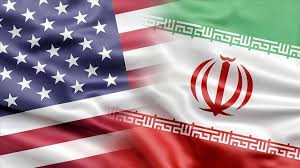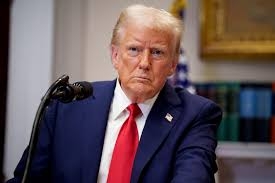
In a dramatic geopolitical twist, former President Donald Trump has brokered a surprise pact between Azerbaijan and Armenia—two long-feuding neighbors—in what analysts are calling a calculated move to undercut Iran’s influence in the region. The agreement, hailed by Trump as a “visionary step toward peace and regional stability,” has significantly shifted the strategic landscape in the South Caucasus.
Crucially, the pact includes provisions for reopening key trade routes, boosting U.S.-backed infrastructure projects, and enhancing security coordination between the two nations—all while minimizing Tehran’s historical leverage. According to Trump, “This deal not only ends decades of conflict but also sends a powerful message to the Iranian regime: your days of regional manipulation are over.”
By facilitating cooperation between Baku and Yerevan, Trump has effectively driven a wedge through a corridor long used by Iran for economic and military influence. The pact also strengthens U.S. ties with energy-rich Azerbaijan, a country critical to global energy markets, and helps stabilize Armenia’s future without relying on Russian or Iranian support.
Political observers see the move as a bold strategic play. On one hand, it promotes peace between two historically hostile nations. On the other, it isolates Iran and diminishes its ability to project power across its northern borders.
This agreement is also being touted as a win for Trump’s foreign policy legacy, reinforcing his image as a dealmaker who delivers results where diplomacy has failed. “Once again, Trump has achieved what the global establishment could not,” said a senior aide.
As the pact gains traction and regional leaders praise the initiative, the Iranian regime faces new challenges to its dominance—a development that could reshape Middle Eastern alliances for years to come.