

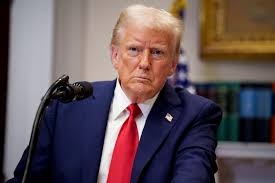
United States President Donald Trump has announced that Washington will not launch new military attacks against Iran before the November 3 midterm congressional elections, citing ongoing diplomatic discussions aimed at ending the months-long conflict between the two countries.
Trump made the announcement on Thursday through his Truth Social platform, describing negotiations with Tehran as productive despite continuing disagreements over Iran’s nuclear programme and control of the strategically important Strait of Hormuz. The president stated that American forces would refrain from attacking Iran before the elections, although the United States would maintain its naval blockade of Iranian ports.
The announcement follows reports that the Pentagon had been preparing options for renewed large-scale military operations against Iranian targets. The conflict began in February 2026 when American and Israeli forces launched strikes against Iranian targets, triggering retaliatory attacks and widespread disruptions across the Middle East.
Since then, the war has severely affected international energy markets, particularly maritime transportation through the Strait of Hormuz, one of the world’s most important oil shipping routes. Washington and Tehran have exchanged diplomatic proposals in recent weeks in an effort to end hostilities and restore commercial shipping through the waterway.
However, negotiations have encountered significant obstacles, including disagreements over sanctions, Iran’s uranium enrichment activities and the conditions for reopening the strait.
Trump recently rejected an Iranian proposal, while Tehran has maintained that it will not completely abandon uranium enrichment or surrender its existing uranium stockpile.
Iranian officials have also indicated that diplomatic communications are continuing through intermediaries, although no comprehensive peace agreement has been reached. The president’s announcement comes amid growing domestic political pressure as American voters prepare for the November congressional elections.
According to a Reuters/Ipsos survey, approximately 60 percent of Americans disapprove of Trump’s handling of the conflict with Iran, reflecting public concern about the war and its economic consequences. Rising petrol prices have become a major political issue, with disruptions to Middle Eastern energy supplies contributing to increased transportation and household expenses.
The conflict has also complicated the political environment for Republicans seeking to maintain their congressional majorities. Meanwhile, American military preparations in the Middle East have continued, despite Trump’s declaration that new attacks will not occur before the elections.
Reports indicate that military planners have examined possible operations against Iranian energy infrastructure, nuclear facilities and other strategic targets.
However, the existence of military contingency plans does not establish that an attack has been authorised.
The diplomatic situation remains uncertain, particularly because the United States and Iran have not resolved their principal disagreements. Trump’s announcement may provide a temporary reduction in the immediate threat of renewed American strikes, but it does not constitute a formal ceasefire or a commitment to permanently end military operations. Iran has also maintained its position that any lasting settlement must address economic sanctions and restrictions affecting its energy exports.
The central development is Trump’s publicly stated commitment not to attack Iran before November 3, while diplomatic discussions continue and the American naval blockade remains in place.



















