

BERLIN, Germany | November 1, 2026
Tens of thousands of young people have taken to the streets across Germany, demanding affordable living costs, better education and an end to compulsory military service, as nationwide demonstrations highlighted growing frustration with Chancellor Friedrich Merz’s government.
The protests, held on Saturday, October 31, were organised by the youth-led movement Gen Z Regelt, meaning “Gen Z Takes Charge,” with rallies taking place in 34 cities, including Berlin, Frankfurt, Munich, Cologne, Hamburg and Stuttgart.
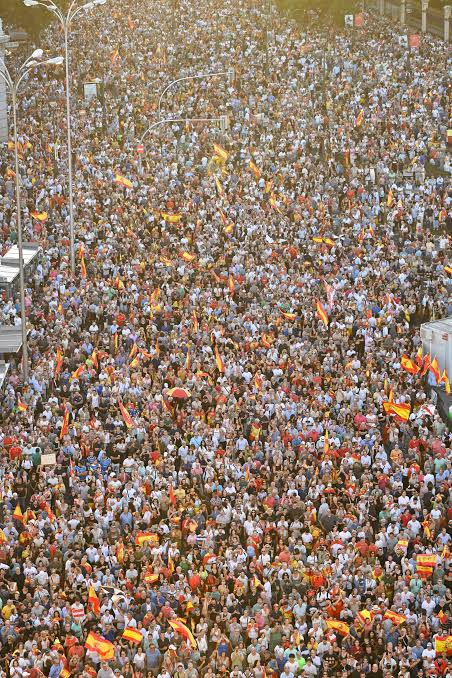
In Berlin, approximately 5,000 demonstrators gathered near the Brandenburg Gate, according to police, while organisers claimed a higher turnout of around 11,000.
Nationwide, organisers estimated participation exceeded 100,000, although independently verified figures were lower and a complete official count was unavailable.
Protesters demanded increased investment in schools, universities, healthcare, affordable housing and climate protection, while opposing government spending priorities and proposed military conscription.
Many young Germans expressed frustration that education and social services were facing financial pressure while billions of euros were being directed towards defence.
Twenty-three-year-old political science student Veronika Dinter told Al Jazeera that rising living expenses had forced her to take a part-time job to finance her studies.
Other demonstrators criticised deteriorating university facilities, limited employment opportunities and the growing financial burden facing younger generations.
Although most demonstrations remained peaceful, violence erupted in several cities later in the evening.
In Frankfurt, masked rioters smashed shop windows, looted businesses and reportedly threw Molotov cocktails at emergency personnel, prompting a major police response.
Clashes were also reported in Cologne and Stuttgart, where police used water cannons following incidents involving fireworks and other projectiles.
In Hamburg, barricades and rubbish bins were set ablaze, while a separate evening demonstration in Berlin experienced confrontations with police.
Organisers of Gen Z Regelt distanced themselves from the violence, maintaining that their campaign supported peaceful democratic demonstrations.
Authorities had deployed additional officers amid concerns that extremist groups could exploit the protests.
The demonstrations form part of a broader wave of youth-led activism spreading across Europe, including France, Italy, Belgium and Serbia.
German organisers announced plans to participate in further coordinated European demonstrations on November 20.
The nationwide mobilisation has increased pressure on the German government to address concerns over education funding, economic inequality and military policies.
With more protests planned, the movement is seeking to turn public frustration into sustained political engagement.



















