

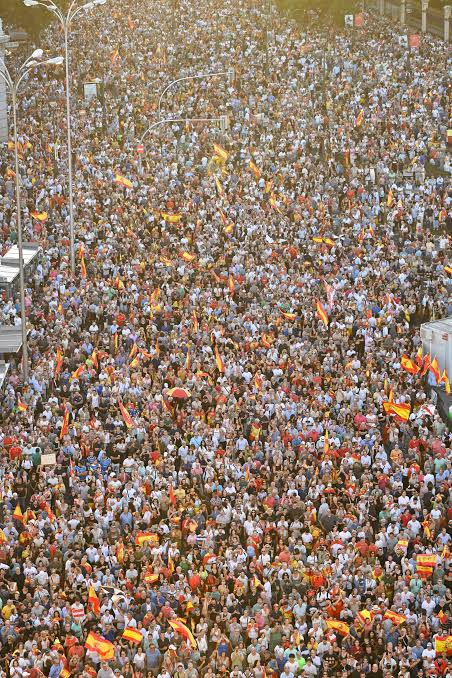
TUNIS, TUNISIA — Thousands of demonstrators flooded central Tunis on Saturday in one of the largest protests against President Kais Saied in years, bringing together trade unionists, opposition parties and civil society groups to demand political freedoms and relief from worsening economic hardship. The October 17 march, organised by the Tunisian General Labour Union (UGTT) and other groups, drew more than 3,000 people, according to an AFP estimate that could not be independently verified. Hundreds of police officers were deployed as protesters marched along Habib Bourguiba Avenue, a historic focal point of Tunisia’s 2011 revolution.
Lawyers, doctors, journalists, unemployed citizens and activists joined the demonstration, expressing anger over rising living costs, unemployment, shortages of medicines and repeated water and electricity disruptions. Protesters carried placards linking economic hardship to political restrictions and demanded the release of detained government critics. Others called for greater protection of trade union rights and an end to what they described as mounting pressure on civil society.
UGTT leader Salah Eddine Salmi told the rally that the concentration of political authority in one person was unacceptable, reflecting the widening dispute over the direction of Tunisia’s government. Saied, elected president in 2019, suspended parliament and dismissed the government in 2021, arguing that extraordinary measures were needed to overcome political paralysis and corruption. Parliament was subsequently dissolved, and a new constitution adopted in 2022 expanded presidential authority. Opposition groups regard those measures as a serious setback for Tunisia’s democratic transition. Human rights organisations have raised concerns about arrests and legal proceedings targeting journalists, activists and opposition figures.
The president rejects accusations of authoritarian rule and has accused political opponents of aggravating economic problems to provoke public unrest.
Saturday’s demonstration was notable for uniting groups that have often remained divided, creating a rare joint platform for demands over democratic accountability and everyday living conditions. Its slogans echoed the uprising that removed longtime leader Zine El Abidine Ben Ali in 2011 and helped inspire the Arab Spring across the region. Yet the anger on display was also rooted in immediate hardship. Residents described struggling with interruptions to basic services and declining purchasing power despite years of government promises.
There was no independently verified nationwide turnout figure, and the scale of Saturday’s rally alone does not establish how much public support either the president or his opponents command. The demonstration nevertheless underscored mounting pressure on Tunisia’s authorities to address economic grievances while confronting demands for political freedoms and institutional accountability.



















