

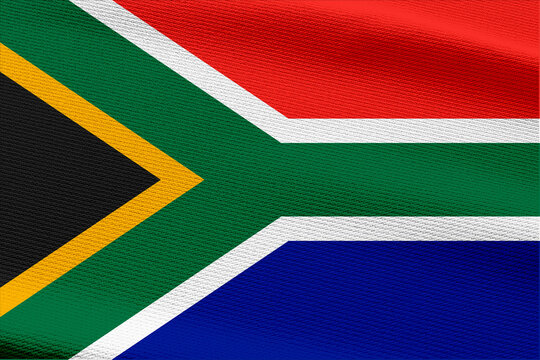
CAPE TOWN, South Africa
South Africa’s ambassador to the United States, Roelf Meyer, has called for urgent diplomatic talks with Washington to resolve worsening tensions between the two countries, warning that prolonged disagreements could damage trade, investment and economic cooperation.
Speaking on Monday at the Cape Town Press Club during the launch of his political memoir, Meyer acknowledged that relations between Pretoria and Washington had reached a difficult stage under US President Donald Trump’s administration.
“The situation is tense and there’s a bit of a stalemate,” Meyer told Agence France-Presse, expressing hope that direct engagement could help both governments overcome their differences.
The diplomatic dispute has intensified since Trump returned to office in January 2025, with Washington imposing tariffs, reducing financial assistance and challenging South Africa’s land reform and racial equality policies.
Trump has also repeatedly accused South Africa of persecuting white Afrikaners, including making widely discredited claims of a genocide against the minority community.
President Cyril Ramaphosa’s government has rejected those allegations, insisting that its policies are designed to address economic inequalities inherited from apartheid.
Relations deteriorated further in September when Washington introduced visa restrictions targeting South Africans accused of supporting racial discrimination, inciting violence or enabling uncompensated land seizures.
The dispute has also threatened South Africa’s participation in the African Growth and Opportunity Act (AGOA), which provides eligible African countries with preferential access to American markets.
Although the programme has been extended until December 2028, individual countries remain subject to annual eligibility reviews.
Meyer warned that South Africa must engage American officials before decisions affecting its trade benefits are finalised.
The veteran diplomat, appointed ambassador in April 2026, previously played a major role in negotiations that helped dismantle apartheid and establish democratic rule.
He believes similar diplomatic engagement could help restore cooperation between the two governments.
Meanwhile, Washington’s refusal to accredit South Africa for upcoming G20 meetings has deepened the diplomatic disagreement.
Meyer confirmed that South African representatives would nevertheless participate in the Business 20 gathering in Washington in November.
Despite the challenges, he stressed that both countries must recognise each other’s sovereignty and engage as equal partners.
The United States maintains that Pretoria must address its concerns over domestic policies and foreign relations.
For South Africa, the immediate priority is protecting trade access, investment opportunities and employment while rebuilding diplomatic confidence.
Whether renewed dialogue can resolve the dispute remains uncertain, but Meyer insists meaningful negotiations are essential to restoring relations.



















