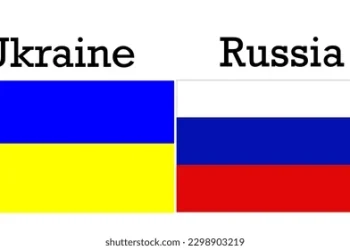
Russia and Ukraine traded accusations on Saturday of violating a three-day U.S.-brokered ceasefire, though neither side reported major large-scale strikes during the first full day of the truce.
U.S. President Donald Trump announced the ceasefire on Friday, saying both Moscow and Kyiv had agreed to halt “kinetic activity” from May 9 to 11. The pause coincides with Russia’s Victory Day commemorations and is expected to be accompanied by a prisoner exchange involving 1,000 captives from each side.
Ukraine’s General Staff said Russian forces continued attacks along the front line, reporting 51 assaults since the start of the day. The Ukrainian air force said Russia launched 44 drones from Friday evening, one of the lowest overnight totals in months, suggesting a partial reduction in aerial activity despite continued fighting.
Russia’s Defence Ministry, meanwhile, accused Ukrainian forces of launching drone and artillery attacks on Russian positions despite the declared ceasefire. Moscow did not provide a full tally of alleged violations on Saturday.
Casualties were still reported on both sides. Ukrainian regional officials said Russian drones killed two civilians and wounded three others in Zaporizhzhia and Dnipropetrovsk. In Russia’s Belgorod region, Governor Vyacheslav Gladkov said three people were wounded by Ukrainian drone strikes.
No attacks were reported on Moscow’s Victory Day parade in Red Square, an event that had been surrounded by heightened security concerns. Ukrainian President Volodymyr Zelenskyy had mocked Russia’s demand for a pause around the parade, while also saying Kyiv would observe the ceasefire on a reciprocal basis to help facilitate the prisoner exchange.
The Kremlin said Saturday that a lasting peace remained “a very long way off,” even as the temporary truce raised hopes for a wider de-escalation. Trump said he hoped the ceasefire could lead to a “big extension,” but both sides’ early accusations underscored how fragile the arrangement remains.
Short ceasefires have occurred before in the four-year war, often around religious or symbolic holidays, but they have frequently been marred by mutual claims of violations. The conflict has killed or wounded hundreds of thousands of soldiers, displaced millions of civilians and become Europe’s deadliest war since World War II.
For now, the latest pause appears to have reduced the scale of attacks without stopping combat entirely. Whether it leads to a broader agreement may depend on the prisoner swap, continued U.S. pressure and both sides’ willingness to move beyond temporary battlefield pauses.