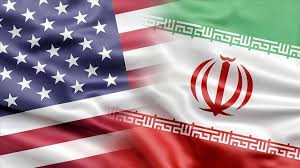
Iran’s Islamic Revolutionary Guards Corps has threatened to strike U.S. bases and ships in the region if Iranian tankers or commercial vessels are attacked, raising fresh doubts over a fragile ceasefire as Washington waits for Tehran’s response to a new peace proposal.
“Any attack on Iranian tankers and commercial vessels will result in a heavy attack on one of the American centres in the region and enemy ships,” the Guards said in comments reported by Iranian media. The warning followed U.S. strikes on two Iranian-flagged tankers in the Gulf of Oman that Washington said had challenged its blockade of Iranian ports. Iranian military officials said the navy responded with retaliatory strikes.
The escalation comes as President Donald Trump says the United States is still awaiting Iran’s answer to a proposal aimed at extending the Gulf truce and opening the way for talks on a final settlement. The proposal was delivered through Pakistani mediators, while Qatar has also been involved in efforts to keep diplomacy alive. Iran’s Foreign Ministry said the plan remains under review.
Iranian Foreign Minister Abbas Araghchi, however, questioned Washington’s seriousness in a call with his Turkish counterpart, accusing U.S. forces of repeatedly violating the ceasefire. Tehran says American military action in the Persian Gulf has deepened suspicion over U.S. intentions, even as Trump has said he expects Iran’s response “very soon.”
The standoff has centered on the Strait of Hormuz, one of the world’s most important energy routes. Iran has largely restricted traffic through the waterway since the war began with U.S.-Israeli strikes on February 28, while the U.S. imposed a blockade of Iranian ports in April. Washington says Tehran cannot be allowed to control the passage or impose conditions on global shipping.
The crisis has also disrupted energy infrastructure. Satellite imagery showed an oil slick near Iran’s Kharg Island, a key export terminal, though the cause remains unclear. Environmental monitors said the slick appeared to have reduced by Saturday and may have resulted from leaking infrastructure.
Britain said it was sending a destroyer to the region as part of planning for a British- and French-led mission to help restore shipping once a durable ceasefire is reached.
The latest threats underscore the danger that a maritime clash could derail diplomacy. Both sides say they want a negotiated outcome, but each continues to use military pressure to shape the terms of any deal.