

KYIV, UKRAINE
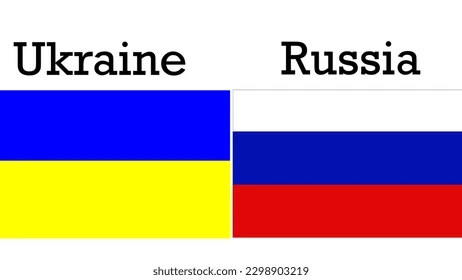
Russia, Ukraine and the United States are preparing to resume high-stakes peace negotiations in November, raising fresh hopes of a diplomatic breakthrough in the war that has devastated Ukraine and destabilised European security for more than four years. The proposed trilateral negotiations are expected to take place in Abu Dhabi, United Arab Emirates, during the first half of November, according to announcements from Ukrainian President Volodymyr Zelenskyy and the Kremlin.
Russian presidential spokesman Dmitry Peskov confirmed the planned meeting on Friday, October 23, explaining that discussions would initially involve negotiating teams rather than the countries’ presidents. The development follows renewed American diplomatic efforts involving US special envoy Steve Witkoff, who met Zelenskyy in Oslo on October 20 before travelling to Saint Petersburg for talks with Russian President Vladimir Putin the following day.
Zelenskyy subsequently held discussions with Witkoff and Jared Kushner, expressing Ukraine’s readiness to begin negotiations immediately. The Ukrainian leader said technical-level discussions should eventually lead to direct talks between himself, Putin and US President Donald Trump.
However, he cautioned that significant disagreements remain, particularly over occupied Ukrainian territories and the security arrangements necessary to prevent another conflict. Kyiv insists that any lasting peace agreement must include credible international security guarantees and sufficient financial support to maintain its armed forces. Zelenskyy also signalled willingness to consider a comprehensive ceasefire or narrower agreements covering energy infrastructure and maritime operations.
Moscow, meanwhile, maintains that negotiations must address the long-term security interests of both Russia and Ukraine. Kremlin officials have indicated that establishing a postwar security framework will be central to the discussions.
The European Union is seeking representation at the negotiating table, arguing that Europe’s security and political interests must be considered in any settlement. The diplomatic initiative follows months of stalled negotiations, with previous US-mediated efforts failing to resolve disagreements over territory, military arrangements and security guarantees.
Meanwhile, Russian attacks on Ukrainian cities and infrastructure have continued, underscoring the challenges facing negotiators. Although both Moscow and Kyiv have expressed readiness to resume discussions, no final ceasefire agreement has been announced. The White House had not immediately issued a formal response to Zelenskyy’s latest announcement. Attention now turns to whether the three governments can finalise arrangements and translate renewed diplomatic engagement into meaningful progress. For millions of Ukrainians displaced or affected by the conflict, the November negotiations represent another opportunity to pursue an end to the fighting, although major obstacles remain



















