

WASHINGTON, UNITED STATES
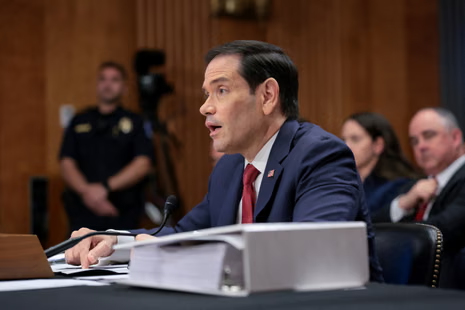
US Secretary of State Marco Rubio has publicly urged Cubans seeking political change to cooperate with the Central Intelligence Agency (CIA), intensifying Washington’s campaign against Cuba’s communist government amid renewed warnings of possible American military intervention. Rubio issued the appeal on Friday, October 23, through his social media platform X, encouraging Cubans dissatisfied with their country’s political and economic conditions to establish confidential contact with US intelligence officials.
“To those who seek to create positive change in Cuba – now is the time,” Rubio declared.
He criticised government corruption, broken promises and the privileged lifestyles of Cuba’s political elite, suggesting that cooperation with American intelligence could help bring about change. The CIA subsequently amplified Rubio’s message, releasing Spanish-language material inviting individuals with relevant information to contact the agency. The development represents an unusually public appeal for intelligence cooperation by a senior American government official.
Rubio’s remarks followed comments by President Donald Trump during a political rally in Fort Myers, Florida, where he suggested that American warships returning from operations involving Iran could approach Cuba.
Trump indicated that Washington would address Cuba after dealing with Iran and that Rubio could subsequently help conclude an agreement.
However, the president did not announce a military operation against the island. Cuban authorities reacted sharply to the intelligence recruitment appeal. Deputy Foreign Minister Carlos Fernández de Cossío criticised Washington’s approach, mocking the CIA’s public recruitment campaign as evidence of desperation. The exchange comes amid deteriorating relations between Washington and Havana, with the Trump administration repeatedly demanding political and economic changes in Cuba. Earlier this year, the United States imposed an oil blockade that intensified fuel shortages, electricity blackouts and economic hardship across the Caribbean nation.
Cuba was already experiencing severe financial difficulties, including inflation, declining production and shortages of essential goods. United Nations human rights experts have condemned the oil restrictions, while Washington maintains that its measures are intended to pressure Cuba’s government.
The United States has maintained a broader economic embargo against Cuba for more than six decades. Relations worsened following the American military operation that captured Venezuelan President Nicolás Maduro in January, disrupting Cuba’s longstanding ties with Caracas. Despite growing tensions, Cuban officials have previously expressed willingness to negotiate with Washington.
Trump has also suggested that a diplomatic agreement remains possible without military intervention. For now, Rubio’s appeal signals a more confrontational intelligence strategy, raising fresh concerns about national sovereignty, regional stability and the future of US-Cuba relations. Neither government has announced a new diplomatic agreement, and no American military action against Cuba has been formally confirmed.



















