

PARIS, France
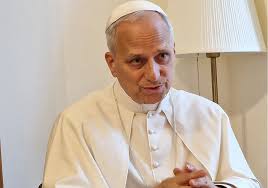
Pope Leo XIV has issued a warning over the rapid advancement of artificial intelligence, cautioning that humanity risks losing its identity and dignity in what he described as a “paradise of machines.”
The pontiff delivered the warning on Friday during his first official visit to France, addressing President Emmanuel Macron, government officials and diplomats at the Élysée Palace in Paris.
Speaking about the growing influence of technology, the pope urged world leaders, educators and technology developers to ensure that scientific advancement remains guided by ethical responsibility and respect for human life.
He stressed that society must develop the moral judgment necessary to prevent technological systems from dominating everyday existence.
The pope, who dedicated his first encyclical to artificial intelligence, maintained that technological innovation should serve humanity rather than undermine human freedom or reduce people to measures of productivity.
Addressing diplomats and United Nations officials at UNESCO headquarters, Leo questioned why society increasingly attributes intelligence to machines while struggling to recognise the inherent dignity of human beings.
He warned that individuals considered economically unproductive risk being marginalised in a world increasingly shaped by efficiency and automation.
The pontiff also expressed concern about scientific developments driven primarily by commercial interests, citing genetic manipulation, surrogacy, organ trafficking and assisted dying.
His remarks came months after France approved landmark assisted-dying legislation, a development opposed by the Catholic Church.
Turning to global security, Leo reaffirmed the Vatican’s opposition to nuclear weapons, arguing that reliance on nuclear deterrence contributes to a dangerous arms race rather than lasting peace.
He urged governments to pursue diplomacy, disarmament and international cooperation.
Despite raising difficult ethical questions, the pope acknowledged growing engagement between the Vatican and artificial intelligence developers, expressing hope that continued dialogue would encourage responsible innovation.
The four-day visit, the first official papal journey to France in 18 years, has attracted enormous public attention.
Thousands lined the streets of Paris as Leo travelled through the capital in his popemobile before attending a prayer vigil at the Stade de France.
The Vatican estimated that approximately 300,000 people gathered to welcome him on Friday.
During the visit, Leo also defended religion’s place in public life, arguing that France’s secular traditions should encourage dialogue between religious institutions and the state.
His message placed human dignity, ethical innovation and peaceful coexistence at the centre of an increasingly urgent global debate over technology’s role in shaping humanity’s future.



















