

ASUNCIÓN, Paraguay
Paraguay has plunged into a major political crisis after Congress refused to accept President Santiago Peña’s resignation and pushed ahead with impeachment proceedings following the collapse of Ueno Bank, which has left millions of customers unable to access their savings.
Peña announced his resignation Thursday after losing the support of senior figures within his ruling Colorado Party amid growing public anger over the financial scandal.
In a recorded address, the president said his decision was intended to protect national stability, preserve democratic institutions and prevent further unrest.
However, lawmakers moved swiftly to pursue his removal through constitutional proceedings rather than accept his voluntary departure.
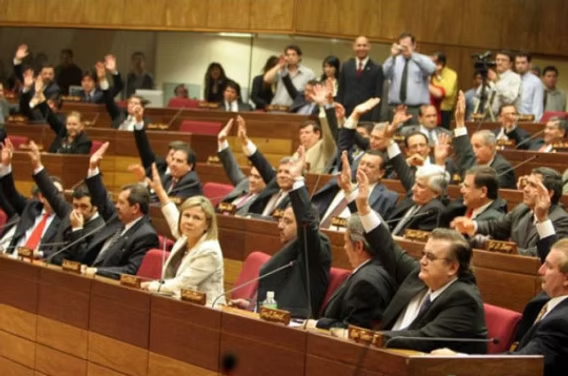
The Chamber of Deputies voted unanimously, with all 78 members present supporting impeachment. The Senate subsequently opened proceedings and summoned Peña to defend himself on Friday.
A joint congressional session considering his resignation ended without a final vote after ruling-party lawmakers walked out, leaving the chamber without the required quorum.
The dispute centres partly on Paraguay’s constitutional provisions granting former elected presidents lifetime Senate membership and associated legal protections. Critics argue that accepting Peña’s resignation could complicate efforts to hold him accountable.
The political turmoil followed the seizure of Ueno Bank by Paraguay’s central bank after regulators uncovered serious financial irregularities and inadequate capital reserves.
The rapidly expanding digital lender reportedly served approximately three million customers and managed around $850 million in public funds, including deposits linked to state institutions.
Its collapse triggered widespread panic, with customers unable to withdraw savings, receive salaries or access essential banking services.
Prosecutors have launched investigations into the bank’s operations, regulatory oversight and Peña’s previous business connections.
The president previously held shares in Grupo Vázquez, a company linked to Ueno, but maintains that he sold his stake in March 2025. He has denied wrongdoing and promised to cooperate with investigators.
Several bank executives have been detained, while authorities are working to recover deposits and restore public confidence.
The government has introduced emergency measures through a deposit guarantee fund, which officials estimate could fully reimburse approximately 97 percent of affected customers.
Demonstrators have gathered outside Congress in Asunción, demanding accountability, the return of their savings and punishment for anyone found responsible.
If the Senate votes to remove Peña, Vice President Pedro Alliana would assume the presidency.
For Paraguay, the immediate challenge extends beyond political leadership. Restoring access to frozen deposits, establishing responsibility and rebuilding confidence in financial institutions have become urgent national priorities.



















