

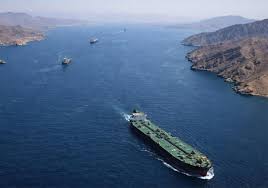
Oil prices have fallen back to levels seen before the US-Israeli war with Iran, as an interim accord with Tehran allowed commercial traffic to resume through the Strait of Hormuz, one of the world’s most important energy corridors.
Brent crude was trading at about $72 a barrel on Thursday morning, roughly the same level it held before attacks on Iran disrupted energy markets. The price had surged to nearly $120 a barrel at the height of the conflict after Tehran responded to US-Israeli strikes by attacking neighbouring countries and effectively closing the narrow waterway.
The Strait of Hormuz is a vital passage for global energy supplies. In normal conditions, about 120 ships pass through it each day, carrying around one-fifth of the world’s oil and liquefied natural gas exports.
Shipping activity has begun to recover under a fragile 60-day ceasefire arrangement, though maritime officials say the process must be handled gradually to avoid congestion, collision risks and further security incidents.
The International Maritime Organization said it is coordinating a large-scale operation to evacuate about 11,000 seafarers stranded aboard hundreds of commercial vessels in and around the Strait. The UN maritime agency said the plan involves cooperation with Iran, Oman, other regional coastal states, the United States and the shipping industry.
Around 600 vessels are believed to have been trapped or delayed by the conflict, including tankers carrying crude oil, fuel products and liquefied gas. The IMO said vessels would be moved in phases, with shipmasters instructed to wait for clearance from coordinating authorities before departing.
The reopening of the Strait has eased pressure on global energy markets, helping bring crude prices down sharply from wartime highs. Analysts say the resumption of Middle East supply, clearing of vessel backlogs and expectations of increased Iranian oil sales have all contributed to the price decline.
Reuters reported that Brent crude for August delivery fell to $73.49 a barrel on Thursday, while US West Texas Intermediate dropped to $70.10, both near pre-war levels.
Despite the improvement, shipping and energy markets remain cautious. Insurance costs, mine-clearance concerns and the possibility of renewed fighting continue to weigh on operators.
The ceasefire has opened a temporary window for diplomacy, but traders warn that prices could remain volatile if negotiations fail or if tensions return to the Gulf.



















