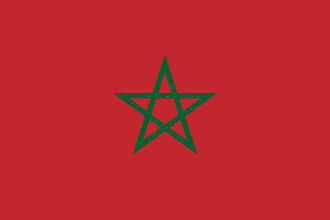
Rabat — Morocco’s King used a nationally watched address to champion a “new development model” built on territorial equity, social justice and inclusive growth, urging targeted investment in fragile regions — including mountain areas and oases — alongside integrated programs to lift rural economies. He pressed parliament, political parties, local officials and the media to explain policy clearly and protect citizens’ rights, framing coordinated communication as essential to rebuilding trust.
The speech followed a tense night of youth-led demonstrations across major cities such as Rabat, Casablanca and Tangier, where protesters decried corruption and persistent shortfalls in public services, especially health and education. Organizers briefly paused rallies ahead of the address in the hope it would meet their demands; many are now weighing whether promised reforms will translate into budget shifts and measurable progress.
Critics argue the government is over-prioritizing stadiums and infrastructure tied to the 2030 FIFA World Cup while clinics, schools and transport networks lag behind everyday needs. Protest placards and online statements have called for hiring in hospitals and classrooms, better pay for frontline staff, affordable housing and student support, as well as greater transparency on public spending.
In outlining the development blueprint, the King linked territorial equity to national cohesion, saying underserved areas must see tangible benefits: roads and water systems in rural communes, climate-resilient initiatives for oases, and support for mountain livelihoods. He also emphasized the role of local institutions in implementation, signaling that delivery will depend on governors, councils and municipal teams as much as on central ministries.
Whether the address marks a turning point will hinge on follow-through. Analysts point to several near-term tests:
- Budget signals: Reallocations toward primary care, school infrastructure, teacher training and rural connectivity in the next finance bill.
- Regional targeting: Project lists and timelines for mountainous provinces and oasis regions, with public dashboards to track milestones.
- Anti-corruption moves: Procurement transparency and audits tied to major capital projects, including World Cup-related spending.
- Youth engagement: Regular forums with student and labor groups, plus apprenticeship and first-job programs scaled beyond pilots.
Protest organizers say they will maintain peaceful mobilization while monitoring policy steps, warning that symbolic commitments without concrete measures could reignite larger rallies. For many Moroccans, the question is no longer rhetorical: Will the promised “new model” deliver visible improvements or remain a well-crafted speech?