

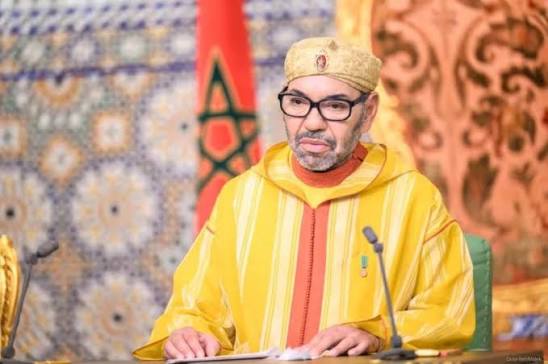
RABAT, MOROCCO — Morocco’s King Mohammed VI has called for youth unemployment, education and economic inclusion to become central priorities of government policy, as the North African kingdom faces mounting pressure to address growing frustration among its younger population.
Addressing lawmakers during the opening of Morocco’s new parliamentary session on Friday, October 9, the monarch urged public institutions to introduce meaningful reforms that would improve employment opportunities, strengthen education and restore young people’s confidence in government.
“Youth-related issues must be placed at the forefront of public policies and of the concerns of governing bodies,” the king declared.
He stressed that tackling youth challenges requires a coordinated national strategy focused on equal opportunities, professional training, skills development and access to employment.
The royal intervention follows months of youth-led demonstrations highlighting dissatisfaction with unemployment, inadequate healthcare, education standards and limited economic opportunities. Many young Moroccans have expressed frustration over persistent inequalities, arguing that economic development has failed to deliver sufficient improvements in everyday living conditions.
The king acknowledged the importance of creating conditions that would allow younger generations to achieve financial independence, improve their social standing and participate meaningfully in national development. He also urged private businesses to increase investment, expand employment opportunities and contribute more actively to Morocco’s economic transformation.
Beyond youth employment, Mohammed VI outlined ambitious plans to strengthen Morocco’s competitiveness through industrial development, digital technology, artificial intelligence and improved food, water and energy security. He called for faster implementation of infrastructure projects and criticised delays in transferring administrative powers and resources to regional authorities.
The monarch argued that economic progress must be accompanied by greater social justice and balanced development between communities. Turning to foreign relations, he defended Morocco’s strategic partnership with Spain despite tensions following July’s mass migration into the Spanish enclave of Ceuta. He announced plans for a revised cooperation framework emphasising shared development, economic competitiveness and regional stability.
However, opposition lawmakers have questioned whether the government’s commitments will translate into concrete reforms capable of addressing public grievances. The king’s remarks place renewed responsibility on Morocco’s political leadership to deliver measurable improvements in education, employment and essential services. With youth expectations rising, the effectiveness of the proposed reforms could become a significant test for the country’s new legislative term.
For many young Moroccans, the immediate priority remains clear: greater opportunity, stronger public services and a realistic path towards economic security.



















