

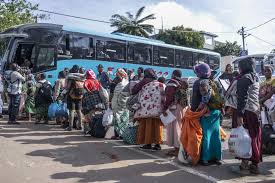
South Africa is facing worker shortages in several industries following the departure of large numbers of foreign nationals amid growing anti-migrant sentiment and increased pressure on undocumented workers to leave the country.
The effect is being felt particularly in agriculture, where farmers in KwaZulu-Natal and other farming communities have reported difficulties finding enough people for harvesting and other physically demanding jobs. Some farmers say the sudden loss of experienced workers is making it harder to maintain normal production schedules.
“There is no one.”
Zimbabwean farmworker Aaron Majatamhe reportedly described the situation as increasingly difficult for agricultural employers, particularly those involved in citrus and grape production, where seasonal labour is essential.
The departures followed an unofficial June 30 deadline issued by anti-immigration groups calling on undocumented migrants to leave South Africa. Figures compiled from information provided by African governments involved in repatriation indicated that more than 160,000 people had left the country, with Zimbabweans accounting for a substantial proportion of those returning home.
The consequences have extended beyond farms. Clothing manufacturers in Durban have reportedly experienced labour shortages following the departure of skilled workers from countries such as Malawi and Mozambique. The domestic work and construction sectors have also been affected.
Employers and industry representatives have argued that migrant workers often perform jobs that businesses struggle to fill locally. They say the sudden departure of experienced employees can disrupt production and create additional costs for companies.
However, the development has generated a debate over whether South Africa can legitimately describe itself as suffering from a labour shortage when millions of citizens remain unemployed. Critics argue that companies should increase training and recruitment of South Africans instead of depending heavily on foreign workers.
The government has promoted a “locals first” employment policy while acknowledging that some sectors remain reliant on migrant labour. Authorities have also encouraged businesses to improve skills development and prioritise South African workers where suitably qualified candidates are available.
Agricultural groups have meanwhile called for clearer and regulated arrangements allowing seasonal workers from neighbouring Southern African countries to enter South Africa legally. They argue that such a system could help farmers secure the workforce required during peak production periods without encouraging illegal migration.
The situation has exposed a difficult policy challenge for South Africa: creating more employment opportunities for its citizens while maintaining the migrant workforce needed by sectors that depend on specialised or seasonal labour.
For employers, the immediate concern is maintaining production. For government, the wider challenge is balancing employment, immigration control and the need to prevent xenophobic tensions from worsening.



















