

NOUAKCHOTT, Mauritania
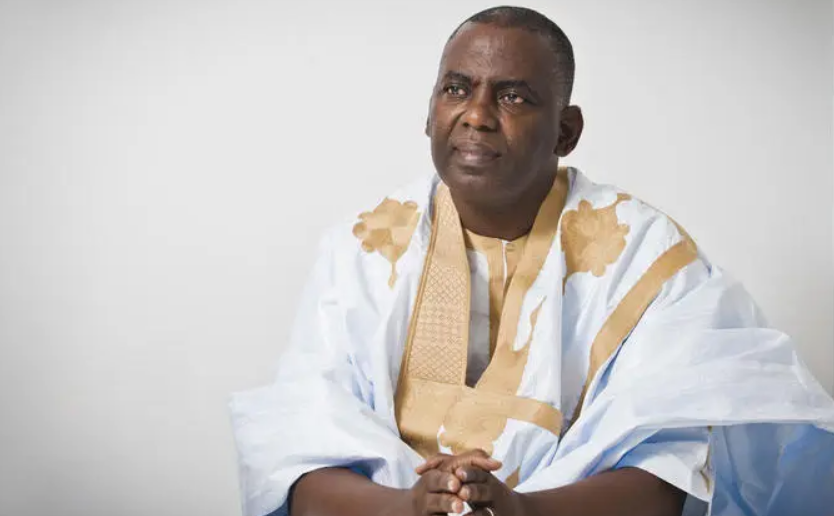
Prominent Mauritanian opposition leader and anti-slavery activist Biram Dah Abeid has announced his resignation from parliament, accusing the government of widespread corruption, poor governance and failing to hold public officials accountable. The outspoken politician declared his decision on Monday, November 9, during a televised parliamentary session examining the government’s policy programme, attended by Prime Minister Mokhtar Ould Djay.
Abeid, who has contested three presidential elections, said he could no longer justify remaining in a legislature he believes has become ineffective in addressing the country’s political and economic challenges. He accused President Mohamed Ould Cheikh El Ghazouani’s administration of encouraging corruption and protecting officials allegedly involved in financial misconduct.
The opposition leader expressed frustration over what he described as a lack of accountability, alleging that individuals implicated in previous corruption scandals had returned to influential government positions. He also questioned the government’s commitment to democratic reform, accusing electoral authorities of manipulating election records. Those allegations have not been independently established. Explaining his decision, Abeid maintained that parliamentary debates had become meaningless and were no longer producing solutions to the country’s problems. He pledged to continue challenging the government through lawful political activism, public mobilisation and grassroots engagement.
His resignation represents a significant development for Mauritania’s opposition movement, where Abeid has remained an influential voice against discrimination, inequality and alleged government abuses. Abeid heads the Initiative for the Resurgence of the Abolitionist Movement (IRA), an organisation campaigning against slavery and hereditary servitude. Mauritania officially abolished slavery in 1981 and criminalised the practice in 2007. However, human rights organisations maintain that slavery-related abuses persist, despite government assurances that the country has addressed the practice and is tackling its historical consequences.
Abeid’s activism has repeatedly brought him into confrontation with authorities, resulting in arrests and imprisonment. He was first elected to parliament in 2018 while incarcerated and secured another parliamentary mandate in May 2023 through an opposition alliance.
In the 2024 presidential election, he finished second with approximately 22 percent of the vote, while Ghazouani secured another term with about 56 percent. Meanwhile, the government has defended its development programme and maintained that it remains committed to tackling corruption and improving public services. Despite Abeid’s departure, parliament approved the government’s policy statement with 145 votes.
His resignation now raises questions about opposition participation in Mauritania’s political institutions and whether his decision will strengthen political mobilisation outside parliament. For Abeid, the announcement signals a shift from legislative opposition towards direct engagement with citizens as he continues demanding greater transparency, democratic accountability and social justice.



















