

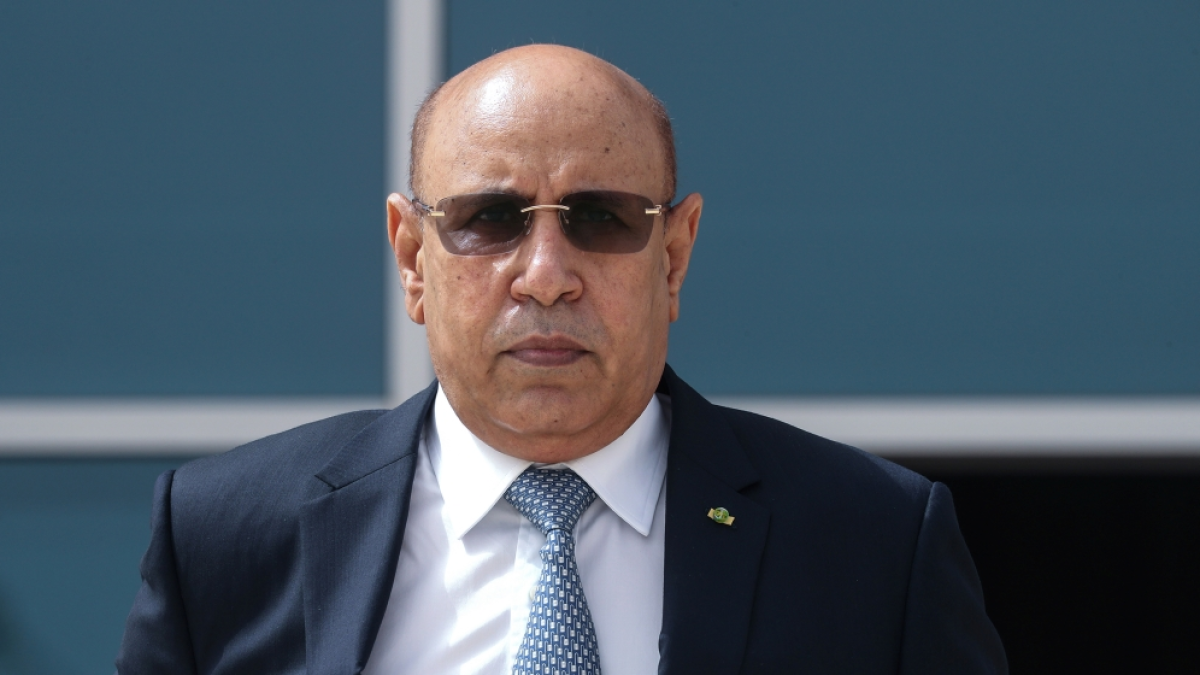
Mauritania’s prime minister has been handed another chance to lead the government after stepping down in the wake of an investigation into major electricity failures that left parts of the capital and neighbouring towns without power for several days.
Mokhtar Ould Djay resigned with his cabinet on Friday, October 9, but President Mohamed Ould Cheikh El Ghazouani reappointed him hours later and instructed him to form a new government.
The political reversal followed the release of an independent commission’s report into two fires at transformer substations operated by the Mauritanian Electricity Company, known as Somelec. The incidents occurred on August 21 and 22 in Nouakchott and its surrounding areas.
The resulting outages affected large parts of the capital, as well as Ouad Naga, Idini and Aouleigat. Residents and businesses in affected locations faced interruptions lasting between three and five days.
Investigators identified serious weaknesses in preventive measures, electrical protection, supervision of installation work and emergency response. Their findings pointed to problems involving three newly installed power lines connected to the affected facilities.
The commission said electrical connectors that failed to meet the required technical standards had been imported by a private company. It identified overheating as the most likely explanation for the fires, while reporting no evidence of sabotage or operational error.
Responsibility was assigned to the company involved and officials within the Energy Ministry. The findings raised questions about how the equipment was approved, installed and supervised before being brought into service.
The failures exposed weaknesses in the country’s electricity infrastructure and disrupted everyday life for thousands of residents. Somelec said power was fully restored at the two substations after about five days of repairs.
El Ghazouani received the commission’s findings on Thursday, October 8, before the government’s resignation the following morning. The inquiry’s conclusions put renewed attention on the administration’s handling of the electricity network and the oversight of major technical projects.
Ould Djay had been prime minister since August 2024, when the president began his second term. His resignation came after more than two years in office, but the presidency did not provide a detailed public explanation for the decision to reappoint him so quickly.
The president’s decision means Ould Djay will continue leading the government while officials are expected to address the shortcomings identified by the inquiry. Authorities have also been instructed to implement the commission’s recommendations, including measures concerning responsibility, prevention and rehabilitation of the damaged facilities.
The immediate political crisis has therefore been contained, but the findings leave the government with practical work ahead. Preventing similar failures and improving confidence in the electricity system remain important challenges for the new administration.



















