

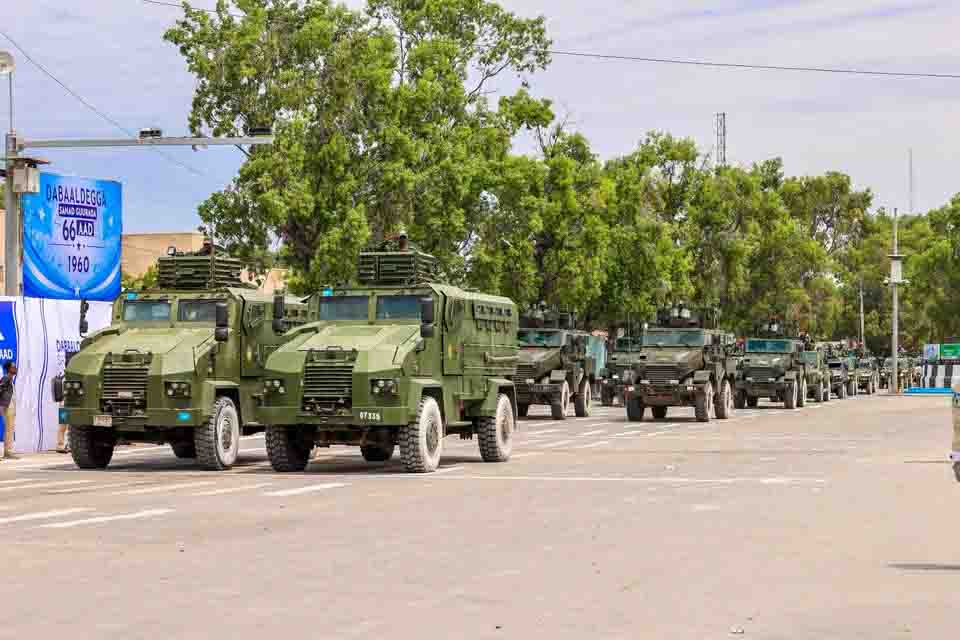
Mali’s military has re-entered and retaken the strategic northern city of Kidal, roughly five months after Tuareg separatists and allied jihadist fighters seized it during a major offensive in April. Two Malian military officers confirmed to AFP on October 6, 2026 that government troops had entered the city.
The Malian general staff said its forces had launched large-scale combined air and ground operations in the Kidal region with Russian partners. The government said the campaign was intended to destroy armed groups’ positions and restore security and freedom of movement. Independent reporting identifies the Russian force involved as the Africa Corps, which replaced the Wagner Group as Moscow’s principal paramilitary presence in Mali.
The Azawad Liberation Front (FLA) confirmed that it had withdrawn from Kidal, describing the move as a “strategic and controlled withdrawal.” The rebels said they chose to preserve their forces rather than confront the superior air power being deployed against them. The FLA maintains that its broader campaign against Mali’s military government will continue.
Kidal carries considerable military and political significance. It has long been a centre of Tuareg separatism and had effectively served as a stronghold for the FLA. In April 2026, the FLA and al-Qaeda-linked Jama’at Nusrat al-Islam wal-Muslimin (JNIM) launched coordinated attacks across Mali, capturing Kidal and other positions. During that offensive, Defence Minister Sadio Camara was killed in an attack on his residence in Kati near Bamako.
The recapture therefore reverses one of the most consequential territorial losses suffered by Mali’s military government during the April offensive. However, control of Kidal does not mean the northern insurgency has been defeated. The FLA retains forces elsewhere, while JNIM continues to pose a substantial security threat across Mali. Analysts cited by the Financial Times also caution that holding Kidal over the longer term could prove more difficult than retaking it.
The development further demonstrates the growing importance of Russian military assistance to Mali’s government following the withdrawal of French and other Western forces.



















