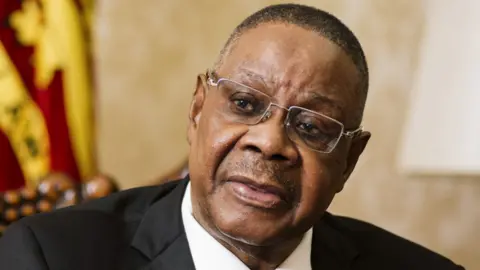
LILONGWE — Peter Mutharika was sworn in as Malawi’s president on Monday, pledging a sweeping crackdown on graft and a hard reset of the economy as the country battles acute food shortages, a foreign-exchange squeeze and soaring living costs.
In an inaugural address that mixed blunt diagnosis with sober promises, the 85-year-old leader—who previously served from 2014 to 2020—said restoring integrity and efficiency in public service would be the centerpiece of his new administration.
“Malawi is in the middle of a crisis. There’s no food, there’s no forex, a fuel shortage, and the cost of living is sky high,” Mutharika said. “There’s no money in the government, poverty is extremely high and nobody knows where the borrowed money went.”
He warned, however, that the turnaround would be difficult and require sacrifice. “I don’t promise you milk and honey. I promise you hard work, tough and painful decisions. The honeymoon of looting government is over.”
Mutharika takes office as back-to-back climate shocks compound Malawi’s structural vulnerabilities. The agriculture-dependent nation is still reeling from a devastating cyclone in 2023 and a severe drought last year that ravaged harvests, tightening food supplies and driving up prices. The crunch has been exacerbated by a shortage of foreign currency that has throttled fuel imports and choked business activity.
Public frustration over inflation and scarcity helped sink the popularity of outgoing president Lazarus Chakwera. He did not attend Monday’s inauguration, though his Malawi Congress Party sent a message of goodwill.
Markets and households are already watching for early signals of policy direction. “As he is being sworn in today, the prices of grain have already started reducing on the market,” said Edina Mzungu, a supporter of Mutharika’s Democratic Progressive Party, reflecting cautious optimism among his base.
The president appealed to international partners for investment rather than aid, saying his government would prioritize predictable rules and investor protection. “Just come and invest in Malawi, and I will work with you to improve the lives of our citizens and guarantee sustainable growth and development,” he said. He added that a government delegation would soon travel to Washington to explore financing options after recent cuts in U.S. foreign assistance.
Mutharika did not outline specific measures on exchange-rate policy, food imports or fiscal consolidation, but pledged immediate steps to tackle corruption and leakages in public spending. With empty coffers, tight external financing and elevated humanitarian needs, his government faces a narrow path: stabilizing prices and supplies in the short term while rebuilding institutions to anchor longer-term growth.
“Malawians have suffered enough,” Mutharika said. “We will restore discipline in public life and put this country back to work.”