

MOMBASA, Kenya
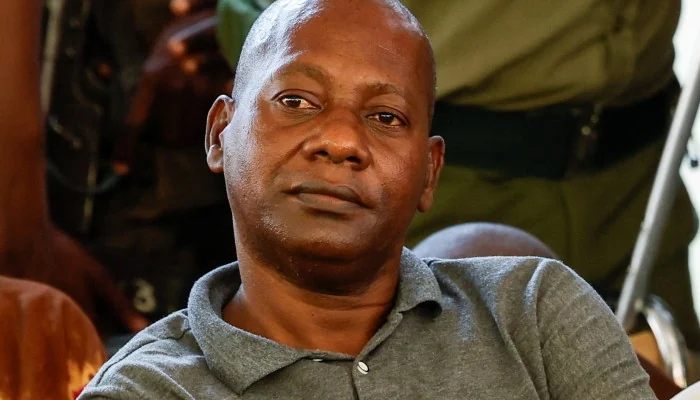
A Kenyan court has sentenced self-proclaimed pastor Paul Mackenzie to 200 years in prison for the murder of 191 people, including 190 children, in one of Africa’s deadliest cult-related tragedies. The High Court in Mombasa delivered the sentence on Friday, November 6, following Mackenzie’s conviction over mass starvation deaths linked to his Good News International Church.
Justice Diana Kavedza imposed two consecutive 100-year prison terms, one for murder through starvation and another for direct homicide.
The court found that Mackenzie persuaded followers to abandon their homes and relocate to the remote Shakahola Forest, where they were instructed to fast to death to reach heaven before an anticipated apocalypse. Prosecutors established that the religious leader and his associates enforced the deadly instructions through intimidation, physical punishment and restrictions on food and water. Of the 191 victims covered by the trial, 183 died from starvation, while eight were killed through direct violence, according to the court’s findings.
Mackenzie denied forcing his followers to starve, but the judge rejected his defence, holding him primarily responsible for organising and directing the deadly activities.
Twenty-eight accomplices were also convicted and received prison sentences ranging from 10 to 160 years. The convictions followed an October 19 judgment that found all 29 defendants guilty. The tragedy came to international attention in April 2023, when police began discovering human remains buried in shallow graves around Shakahola Forest, near Kenya’s coastal town of Malindi.
Subsequent investigations uncovered 448 bodies, with many victims remaining unidentified. Authorities believe the broader death toll could approach 500, as Mackenzie faces separate proceedings involving another 52 suspected victims. The discovery exposed serious concerns about religious extremism, child protection and the failure of security agencies to intervene despite earlier warnings.
Investigators revealed that Mackenzie had attracted police attention as early as 2017, while authorities reportedly shut down his church in Malindi in 2019. Families of the victims welcomed the sentencing but demanded further investigations to locate missing relatives and recover unidentified remains. Human rights organisations also called for accountability among officials accused of ignoring repeated warnings about the group’s activities.
Defence lawyer Lawrence Obonyo confirmed plans to appeal the ruling. Justice Kavedza criticised institutional failures and urged lawmakers to strengthen safeguards against similar tragedies. Although the sentence marks a major milestone in the Shakahola case, the search for missing victims and the pursuit of wider accountability remain unresolved.



















